
Electronic Safe Locks for Modern Security
What Are Electronic Safe Locks and Why They Matter
If you are looking for a safer and more flexible way to protect valuables, electronic safe locks are one of the most practical choices today. Unlike traditional dial locks that require time, patience, and accuracy, electronic safe locks allow instant access through a code, fingerprint, or credential. That means less frustration and more efficiency, especially in situations where quick access matters, such as offices, warehouses, or even personal safes at home.
What makes them stand out is not just convenience, but control. You can easily change passwords, assign access to different users, and even track who opened the safe and when. This level of control is something mechanical locks simply cannot provide. For businesses handling sensitive assets, cash flow, or restricted tools, this becomes a major advantage. In real-world use, many companies are shifting toward digital safe locking solutions because they reduce human error and improve accountability at the same time.
How Electronic Safe Locks Work in Real Use
At a basic level, electronic safe locks operate like a small verification system built into your safe. When a user enters a correct code or scans a fingerprint, the system checks the input against stored credentials. If everything matches, a signal is sent to release the locking mechanism. This process usually takes only a few seconds, which is why electronic safe locks are widely preferred in high-frequency usage environments.
But there is more happening behind the scenes. These locks often include protection mechanisms such as wrong-attempt limits, temporary lockouts, and internal circuit safeguards. In industrial-grade systems, additional protections like overcurrent and electrostatic resistance are included to ensure stable performance. For example, in harsh environments such as telecom cabinets or outdoor infrastructure, stability is more important than speed. That is why some advanced systems, like passive electronic locks from Vanma, even avoid internal batteries and rely on external electronic keys for power, reducing maintenance risks.
Types of Electronic Safe Locks You Should Know
Keypad Electronic Safe Locks
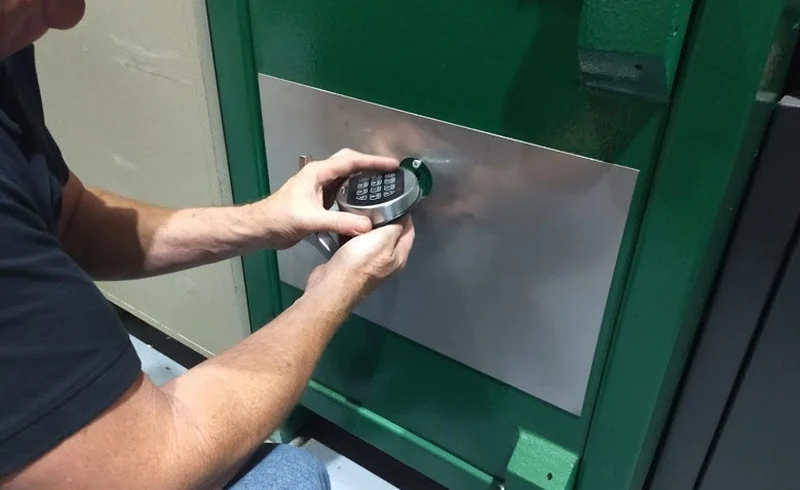
Keypad locks are the most common and widely used type of electronic safe locks. You simply enter a numeric password to unlock the safe. They are popular because they are easy to install, easy to use, and cost-effective. For small businesses or home users, this type offers a good balance between usability and security.
What makes keypad locks practical is their flexibility. You can reset codes at any time, which is especially useful when staff changes or when you want to update access permissions. Many models also support multiple user codes, allowing different people to access the same safe without sharing a single password.
Biometric Safe Locks
Biometric locks take convenience one step further by using fingerprints instead of codes. You do not need to remember anything, which makes access almost instant. This is particularly useful in environments where users wear gloves or frequently switch tasks, although some industrial scenarios may still prefer code-based systems for reliability.
From a security perspective, biometric locks reduce the risk of password leakage. However, they depend heavily on sensor quality. High-end models provide better recognition accuracy and can store multiple fingerprints, making them suitable for both personal and shared use.
RFID and Card-Based Locks
RFID safe locks use cards, tags, or electronic keys to unlock. You simply tap or scan, and the lock opens. This method is widely used in logistics, telecom cabinets, and shared equipment storage because it allows fast access without manual input.
In many industrial use cases, RFID-based locking systems are preferred because they can be integrated with management platforms. This allows companies to control access rights remotely, assign permissions, and track usage across multiple locations.
Key Features That Actually Impact Security
Multi-User Access Control
One of the biggest reasons people switch to electronic safe locks is the ability to manage multiple users easily. Instead of sharing one password, each person can have their own access credential. This improves security because you always know who accessed the safe.
In real operations, this is extremely useful. For example, in a warehouse environment, different employees may need access at different times. With electronic locks, you can assign permissions based on roles, rather than giving everyone the same level of access.
Audit Trail and Access Records
Electronic safe locks can record every unlocking event, including time and user identity. This feature is critical for businesses that need accountability. If something goes missing, you can trace back exactly who accessed the safe and when.
This is especially important in industries like banking, telecom, and energy, where access to equipment must be controlled and documented. Audit trails help reduce internal risks and improve operational transparency.
Time Delay and Security Protection
Time delay is a feature that prevents immediate opening after entering the correct code. This is often used in high-risk environments such as cash handling or financial storage. Even if someone forces a user to open the safe, the delay adds a layer of protection.
Additionally, many electronic locks include lockout functions after multiple incorrect attempts. This prevents brute-force attacks and protects against unauthorized access attempts.
Electronic vs Mechanical Safe Locks
When comparing electronic safe locks with mechanical ones, the difference becomes clear in real usage scenarios. Mechanical locks are reliable but slow. They require careful dialing and are not suitable for environments where quick access is needed.
Electronic locks, on the other hand, provide speed, flexibility, and control. You can change codes instantly, assign users, and monitor access. However, they require proper maintenance, especially regarding power supply. That said, modern designs have significantly improved reliability, and solutions without internal batteries are now available for critical environments.
Where Electronic Safe Locks Are Used
Electronic safe locks are no longer limited to home safes. They are widely used across industries where security and access control are essential. In telecom, they protect base station cabinets. In logistics, they secure warehouses and delivery equipment. In energy and utilities, they safeguard critical infrastructure.
The reason is simple: these environments require both security and efficiency. Workers need fast access, but companies also need control and traceability. Electronic locking systems provide both, making them a practical solution for modern operations.
How to Choose the Right Electronic Safe Lock
Choosing the right electronic safe lock depends on your actual use scenario. If you need a lock for personal use, a keypad or biometric lock may be enough. But if you are managing multiple users or locations, you should consider systems with access management and audit features.
You should also think about the environment. For outdoor or industrial use, durability is critical. Look for features like waterproof rating, shock resistance, and wide temperature tolerance. In these cases, industrial-grade locks are more reliable than consumer models.
FAQ About Electronic Safe Locks
Are electronic safe locks safe for business use
Yes, electronic safe locks are widely used in business environments because they offer better control over access. You can assign individual users, track activity, and update permissions easily. This makes them suitable for industries that require accountability and security.
What happens if the battery runs out
Most electronic locks provide low battery warnings well in advance. Some also include emergency power options or backup unlocking methods. In industrial systems, some designs avoid internal batteries altogether, which eliminates this concern.
Can electronic safe locks be hacked
High-quality electronic safe locks are designed with multiple layers of protection, including encryption and anti-tampering features. While no system is completely risk-free, certified products provide strong resistance against unauthorized access.
Are electronic locks better than traditional locks
It depends on the use case. For environments that require frequent access and user management, electronic locks are clearly better. For simple, low-frequency use, mechanical locks can still be sufficient.
How long do electronic safe locks last
With proper maintenance, electronic safe locks can last many years. Industrial-grade models are designed to operate in harsh conditions and can maintain stable performance over long periods.

