
Electronic Pad Lock for Modern Security Needs
An electronic pad lock is no longer a niche product reserved for tech enthusiasts or high-security facilities. Today, it is a practical, everyday security solution used across warehouses, logistics centers, outdoor cabinets, construction sites, and even personal storage. If you are still relying on a traditional keyed padlock, it is worth asking a simple question: do you really know who has access to your lock right now? Electronic pad locks are designed to answer that question clearly, reliably, and without guesswork.
What an Electronic Pad Lock Really Is
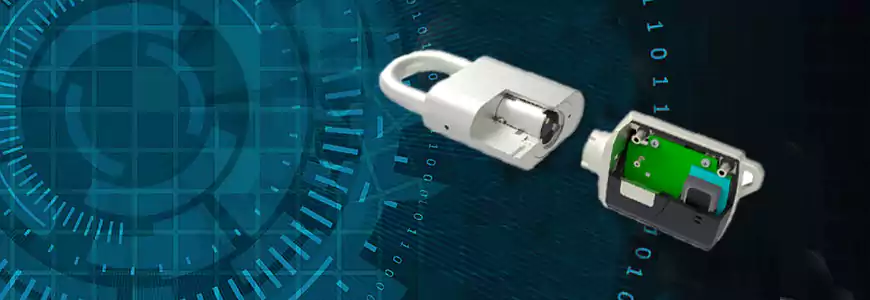
At its core, an electronic pad lock is a self-contained locking device that replaces a mechanical key with digital authorization. Instead of cutting keys or worrying about lost copies, access is controlled through PIN codes, RFID credentials, electronic keys, or mobile devices. The lock itself remains physically strong, but the intelligence is what changes the experience. You gain control over who can unlock it, when they can unlock it, and in many cases, a record of every access event.
How Electronic Pad Locks Work in Daily Use
From a user perspective, an electronic pad lock is designed to feel simple. You present a credential, enter a code, or use an authorized device, and the lock responds instantly. Internally, the lock verifies the credential using encrypted logic, confirms permission, and releases the shackle. This process happens in seconds, yet it eliminates many risks associated with physical keys, such as duplication or unauthorized sharing.
Power Management and Reliability
One common concern is power. Modern electronic pad locks are engineered for efficiency. Many models operate for months or even years on a single battery, while others use rechargeable systems designed for long service cycles. Low-battery alerts are common, and some designs include emergency power options. In real-world environments, this makes electronic pad locks just as reliable as mechanical ones, if not more so.
Why Businesses Are Switching to Electronic Pad Locks
For businesses, the value of an electronic pad lock goes far beyond convenience. It is about accountability and risk reduction. When access is digital, permissions can be updated instantly without replacing hardware. If an employee leaves or a contractor’s work is finished, access can be revoked immediately. This level of control is especially important in logistics yards, utility cabinets, and shared facilities where keys tend to circulate unchecked.
Audit Trails and Access Records
Many electronic pad locks include access logs. This means managers can see exactly when the lock was opened and by whom. In industries where compliance, safety, or asset protection matters, this feature alone can justify the switch. Instead of relying on trust or assumptions, decisions can be based on actual data.
Common Applications Across Industries
Electronic pad locks are widely used in logistics and warehousing to secure containers, rolling doors, and storage cages. In industrial environments, they protect equipment and control access to restricted areas. Outdoor infrastructure such as telecom cabinets and utility enclosures also benefit from electronic pad locks because access needs to be controlled without distributing physical keys across large teams.
Electronic Pad Lock vs Traditional Padlock
A traditional padlock does one thing well: it locks. An electronic pad lock does more. It locks, records, adapts, and responds to changing access needs. While the upfront cost is higher, the long-term savings in key management, lock replacement, and security incidents often outweigh the difference. It is not about replacing metal with electronics; it is about adding intelligence to physical security.
Installation and Setup Experience
One of the strongest advantages of an electronic pad lock is how easy it is to deploy. There is no wiring, no drilling, and no complex infrastructure. Most models can be configured in minutes. This makes them ideal for temporary sites, rental equipment, or locations where permanent access systems are impractical.
Maintenance and Long-Term Use
Maintenance requirements are minimal. Regular battery checks and occasional firmware updates are usually sufficient. Because there are fewer mechanical parts involved in unlocking, wear and tear is often reduced compared to traditional padlocks used in high-frequency access environments.
How to Choose the Right Electronic Pad Lock
Choosing the right electronic pad lock starts with understanding your environment. Outdoor use requires weather resistance. Shared access requires flexible user management. High-security environments may require encrypted credentials and audit logs. By focusing on how the lock will actually be used, the right choice becomes clear quickly.
Frequently Asked Questions About Electronic Pad Locks
Are electronic pad locks suitable for outdoor environments?
Yes. Many electronic pad locks are specifically designed for outdoor use and include weather-resistant housings, sealed electronics, and durable shackles. Always check the environmental rating before installation.
What happens if the battery fails?
Most electronic pad locks provide advance low-battery warnings. Some models also support emergency power access or backup unlocking options, ensuring you are not locked out unexpectedly.
Can multiple users access the same electronic pad lock?
Yes. Multi-user access is one of the main advantages. Permissions can be assigned, modified, or removed without changing the lock itself.
Do electronic pad locks require internet connectivity?
Not necessarily. Many electronic pad locks operate completely offline and store access data locally, making them suitable for remote or restricted environments.
Are electronic pad locks harder to break than traditional padlocks?
From a physical standpoint, high-quality electronic pad locks use hardened materials comparable to premium mechanical locks. Digitally, they add an extra layer of protection by eliminating key duplication risks.
Conclusion
An electronic pad lock is a practical upgrade for anyone who wants better control, clearer accountability, and modern convenience without sacrificing physical strength. Whether you manage industrial assets, shared facilities, or valuable equipment, electronic pad locks provide a smarter way to secure access. As security needs continue to evolve, this type of lock is quickly becoming the new standard rather than an alternative.

