
Electronic Locks for Doors: The Future of Security
Introduction
Electronic locks are an exciting advancement in security technology, providing a reliable and efficient way to secure your property. Gone are the days when traditional mechanical locks were the only option for keeping doors secure. As technology continues to advance, electronic locks are quickly becoming the go-to choice for both residential and commercial properties. These locks offer greater convenience, enhanced security, and advanced features that traditional locks simply cannot match. In this article, we will explore what electronic locks are, how they work, and why they are becoming so popular in today's world.
How Electronic Locks Work
Electronic locks operate based on various technologies that replace the traditional key and lock mechanism. These systems are much more secure and convenient, with several options for users to choose from. Let's break down some of the most popular types of electronic locks.
Keypads and Touchpads
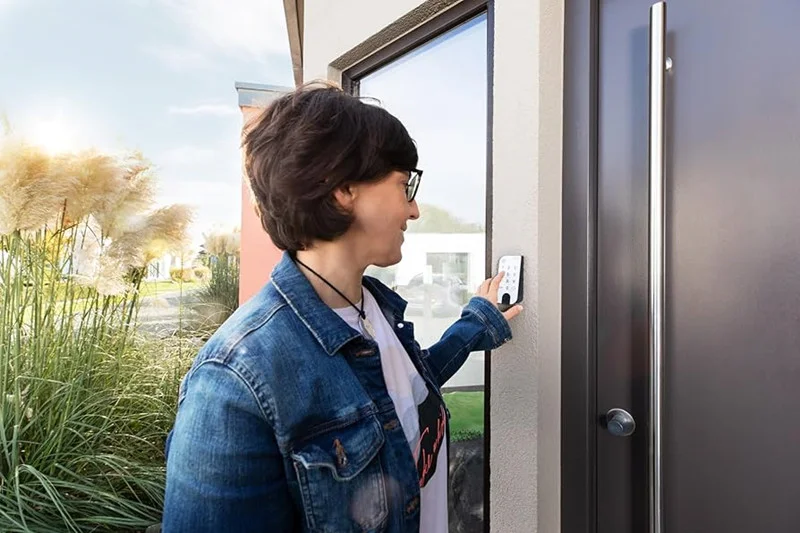
Keypad and touchpad electronic locks are among the most common types of electronic locks available. These systems use a numeric code that must be entered to unlock the door. You no longer need to carry around traditional keys. Simply input the correct code, and the door will unlock. Many keypads even allow users to change the code whenever necessary, adding an extra layer of flexibility and security.
Biometric Locks
Biometric locks take security to the next level by using physical characteristics—such as fingerprints, facial recognition, or retina scans—to grant access. These locks are incredibly secure because your biometric data is unique to you, making it virtually impossible for someone to replicate or bypass your access. Biometric locks are particularly popular in high-security areas, such as government buildings, research facilities, and high-end residences.
Bluetooth and Wi-Fi Integration
Bluetooth and Wi-Fi-enabled locks have become increasingly popular, especially for those using smart home systems. These locks can be controlled via a smartphone or other connected devices, making it easy for users to lock or unlock doors remotely. This feature is especially useful for business owners or homeowners who may need to grant access to visitors while they are away.
Smart Locks
Smart locks are another exciting advancement in electronic locking technology. These locks integrate with home automation systems, allowing users to control their locks via smartphone apps, voice assistants, or even remote control. Smart locks offer the added benefit of activity logs, which can record who accessed the door and when, providing valuable insights into your property's security.
Advantages of Electronic Locks
Electronic locks offer several advantages over traditional mechanical locks, making them a popular choice for homeowners, business owners, and anyone looking for more secure, convenient access control.
Enhanced Security
One of the biggest benefits of electronic locks is the enhanced security they offer. With traditional locks, anyone with the right key can gain access. However, electronic locks often feature advanced encryption, making them more resistant to tampering or unauthorized access. Biometric and smart locks are especially difficult to bypass due to their unique security features.
Convenience
Electronic locks are incredibly convenient. No more fumbling around for keys or worrying about losing them. With keyless entry, you can simply use a code, fingerprint, or even your smartphone to unlock your door. This convenience is particularly useful in busy environments where multiple people need access to the same space.
Keyless Entry
One of the main reasons people are switching to electronic locks is the convenience of keyless entry. With no need for physical keys, you can easily enter your home or office without searching through your pockets or bag. Whether it's using a code, biometric data, or your phone, keyless entry simplifies your day-to-day life.
Remote Access
Some electronic locks allow remote access, enabling you to control your locks from anywhere in the world. This feature is especially useful for businesses or vacation rentals, where you may need to grant access to employees, customers, or guests without being physically present.
Types of Electronic Locks
There are several different types of electronic locks to choose from, each offering a unique set of features and benefits. The right choice for you will depend on your specific needs and the level of security you require.
Digital Keypad Locks
Digital keypad locks are one of the most common types of electronic locks. They typically require users to enter a numeric code to unlock the door. Some models offer additional features, such as time-based access control, which allows you to set specific times during which the code will work.
Biometric Locks
Biometric locks provide a high level of security by using unique physical characteristics for identification. Whether it's a fingerprint scan, facial recognition, or retina scan, these locks offer a level of protection that traditional locks can't match. They're ideal for securing high-risk areas and ensuring that only authorized individuals can gain access.
Smart Locks
Smart locks are ideal for tech-savvy individuals who want to integrate their lock into a larger smart home or automation system. These locks allow users to control their doors remotely via an app or voice commands. Additionally, many smart locks can record who accessed the door and when, offering added security and peace of mind.
RFID (Radio Frequency Identification) Locks
RFID locks use electronic tags, such as key fobs or cards, to unlock the door. These locks are commonly used in offices, hotels, and other commercial environments where quick and easy access is needed. RFID locks are often preferred because they are easy to use and offer a high level of security without the need for traditional keys.
Choosing the Right Electronic Lock for Your Door
Choosing the right electronic lock for your door depends on several factors, including the level of security you need, the type of door you have, and your budget. It's important to assess your specific needs to make an informed decision.
Factors to Consider
When selecting an electronic lock, consider the following factors:
- Security needs: Determine whether you need basic security or more advanced features like biometric authentication or smart home integration.
- Door type: Make sure the lock is compatible with your door's material and thickness. Some locks are designed specifically for wooden doors, while others are better suited for metal or glass doors.
- Budget: Electronic locks come in a wide range of prices. Be sure to choose one that fits your security needs and budget.
Residential vs. Commercial Use
Electronic locks are available in both residential and commercial models. Residential locks are typically more affordable and simpler to install, while commercial locks tend to be more robust, with additional features like multi-user access and activity logs.
How to Install Electronic Locks
Installing an electronic lock is a relatively straightforward process. Some locks are designed for DIY installation, while others may require professional help.
DIY Installation
If you're comfortable with basic tools, many electronic locks can be installed yourself. Follow the manufacturer’s instructions to ensure that the lock is securely attached and functioning properly.
Professional Installation
For more complex systems, such as smart locks or those integrated into home automation networks, it’s advisable to hire a professional to ensure proper installation and setup.
FAQ
1. Are electronic locks more secure than traditional ones?
Yes, electronic locks generally offer enhanced security compared to traditional locks. They are harder to pick, and some models feature advanced technologies such as biometric recognition, making unauthorized access much more difficult.
2. Can I install an electronic lock on any door?
Most electronic locks can be installed on standard doors, but it’s important to check the specifications to ensure compatibility with your door type. Some locks may require specific hardware or may only work with certain materials.
3. What happens if the battery of my electronic lock runs out?
Many electronic locks feature low-battery alerts, and you can replace the batteries easily. In some cases, you may be able to power the lock temporarily with a backup power source if the batteries run out.
4. Can I control my electronic lock remotely?
Yes, many smart locks allow remote access via smartphone apps or through integration with smart home systems. This is a convenient way to control your locks from anywhere.
5. Are there any downsides to electronic locks?
While electronic locks offer many advantages, they do have some downsides. They rely on batteries, which need to be replaced periodically. Additionally, some models may have connectivity issues or malfunctions that require troubleshooting.
