
Electronic locks for apartments are becoming a standard feature in modern multi-unit housing because property owners and residents want more convenience, higher security, and simplified access management. With traditional keys causing issues such as loss, duplication, and expensive rekeying, apartment communities now rely on digital locking solutions to create a safer and more efficient living environment. For buildings with frequent tenant turnover or complex shared spaces, electronic locks help streamline daily operations and elevate the overall residential experience.
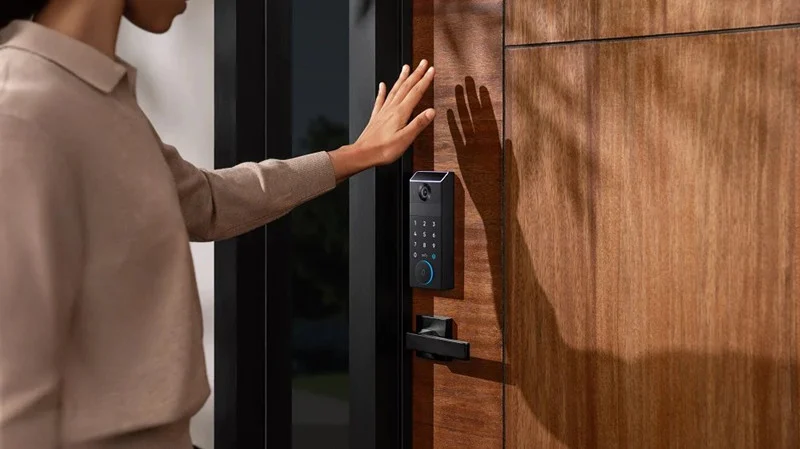
Electronic locks are increasingly chosen for apartments because they offer an immediate improvement in convenience and control. Property managers no longer need to track dozens of physical keys, schedule locksmith visits, or worry about unauthorized key copies. Tenants gain a seamless, key-free lifestyle that enhances their perception of the building’s value. As apartment renters prioritize smart home features, digital locks deliver exactly what modern residents expect: simplicity, safety, and connectivity. This transition from mechanical systems to electronic locks reflects a broader shift toward technology-driven residential management.
Electronic locks for apartments use digital credentials—such as PIN codes, RFID cards, smartphone apps, or biometric data—to grant entry. They eliminate many challenges associated with mechanical keys while offering far greater flexibility. For example, temporary credentials can be created for guests, cleaners, maintenance staff, and service providers without requiring a physical handover. Digital credentials can also be revoked instantly, which is incredibly valuable during tenant turnover or emergency security updates. As a result, apartment communities gain more control over building access while reducing long-term operational costs.
Electronic locks authenticate users by verifying the credentials stored in the lock’s internal database or cloud platform. When a credential is presented—whether a PIN, RFID card, or mobile signal—the lock compares it with authorized entries and unlocks if it matches. In larger apartment buildings, these locks often connect to a centralized access management platform that enables property managers to control hundreds of units from a single dashboard. This system improves operational efficiency by automating tenant onboarding, logging access events, integrating visitor management, and simplifying maintenance workflows.
| Lock Type | Advantages | Limitations | Best For |
|---|---|---|---|
| Keypad Lock | Easy installation, low cost, flexible PIN code management | PIN sharing risk, limited audit control | Small apartments, Airbnb, short-term rentals |
| RFID Card/Fob Lock | Fast entry, ideal for shared areas, scalable | Cards may be lost, replacement costs | Large buildings, student housing, gated communities |
| Smart App-Controlled Lock | Remote access control, digital keys, activity alerts | Requires stable connectivity and app familiarity | Modern upscale apartments, smart home buildings |
| Biometric Lock | High security, non-transferable authentication | Higher cost, may require maintenance | Luxury apartments, private interior rooms |
| Audit-Trail Electronic Lock | Records who accessed the door, encrypted credentials | Used more for service areas, not tenant doors | Equipment rooms, telecom cabinets, maintenance areas |
Electronic locks deliver meaningful advantages to tenants, landlords, and property management teams. For residents, the convenience of keyless entry removes one of the biggest frustrations of apartment living. For building operators, centralized access control reduces administrative work and security risks. Electronic systems also minimize long-term costs by eliminating the need for rekeying or replacing mechanical cylinders after tenant move-outs. These improvements help apartment owners present a modern, secure, and attractive residential environment that stands out in rental markets.
| Operational Challenge | Impact Without Electronic Locks | Improvement With Electronic Locks |
|---|---|---|
| Lost Keys | Expensive rekeying, security risk | Instant credential deactivation, no hardware change |
| Unauthorized Entry | Key duplication difficult to track | Controlled digital permissions prevent misuse |
| Tenant Turnover | Key collection required, high overhead | Access revoked in seconds via management dashboard |
| Shared Areas | Multiple keys needed for multiple doors | One credential unlocks all permitted zones |
| Maintenance Access | Manual scheduling, key pickup required | Temporary digital access reduces delays |
Selecting the most suitable electronic lock requires evaluating building size, tenant lifestyle, security expectations, and management workflows. For smaller rental properties, keypad or smart locks may be sufficient. Larger complexes benefit from unified systems with software dashboards, audit logs, and integration with property management platforms. Consider also the durability requirements for exterior doors, gates, or mechanical rooms. Not all electronic locks are built for harsh weather, heavy usage, or industrial-level security needs. Matching the lock design to its environment will ensure reliability and long-term performance.
Proactive maintenance keeps electronic locks functioning well across an entire apartment building. Managers should regularly inspect battery levels, review access logs for any anomalies, clean sensors or keypads, and ensure firmware updates are installed. For buildings with high tenant turnover, periodic audits of digital credentials help maintain proper access rights. These preventive measures support consistent reliability and reduce disruptions for residents who rely on seamless entry throughout the day.
Yes, electronic locks provide excellent security for residential buildings when properly managed. Their biggest advantage is the ability to instantly revoke access without physically changing hardware. Features such as encryption, audit logs, and multi-factor authentication significantly enhance building safety.
Yes, most models can be installed on standard doors without rewiring or renovation. Retrofitting is simple, making electronic locks a practical upgrade even for aging buildings undergoing modernization.
Property managers can quickly reset PINs or issue new digital credentials. Unlike mechanical keys, digital access can be restored without replacing the lock or waiting for a locksmith, reducing downtime for tenants.
Yes, electronic locks allow temporary access windows for prospective tenants, enabling self-guided tours without staff supervision. This improves leasing efficiency and supports flexible viewing schedules.
Not always. Some models operate offline with local PIN or RFID verification, while smart locks use cloud connectivity for remote management. Property managers can choose the system that aligns with their building’s infrastructure.
Yes, especially RFID and audit-trail models designed for frequent use. These locks maintain performance even with large numbers of daily entries and provide better monitoring of shared spaces like gyms, storage rooms, or package rooms.

