
Choosing the right electronic lock solutions for modern security needs is no longer a nice upgrade but a practical requirement for businesses that want real control, traceability, and flexibility. Instead of relying on simple mechanical keys that can be lost, copied, or passed from person to person, more companies and property owners are turning to electronic lock systems that provide detailed access logs, time based permissions, and better protection for doors, cabinets, gates, and remote infrastructure. In this article, we will walk through how electronic lock solutions work, which types are available, and how you can choose a system that truly matches your building, your operations, and your long term security strategy.
When you invest in well planned electronic lock solutions, you are not just buying hardware. You are putting in place a complete access control framework that helps you know who enters which area, at what time, and under what permissions. This kind of transparent, auditable access history is especially important for industries such as telecom, power utilities, logistics, banking, healthcare, and large commercial buildings where regulators, customers, and internal management expect clear accountability for every critical door and cabinet.
A lot of people first think of electronic lock solutions as a single lock on a door, but in reality a professional solution is a combination of hardware, credentials, software, and processes. To design or select electronic lock solutions that will work for the next five to ten years, it is important to understand the whole ecosystem rather than focusing only on the visible lock body or reader on the surface.
A typical electronic lock solution combines several key components that work together as one system. The lock hardware protects the door, cabinet, gate, or enclosure. The credential, such as a card, electronic key, PIN code, or mobile phone, identifies the user. The controller or built in electronics validate permissions and trigger the lock to open. The management software allows administrators to assign rights, set schedules, view reports, and react quickly when a key is lost or a contractor leaves. Finally, the audit trail function stores access records so that any incident can be investigated using accurate data rather than guesswork or memory.
To make it easier to evaluate different electronic lock solutions for your business or facility, you can think in terms of five core building blocks. First, there is the lock hardware itself, which may be a door lock, electronic padlock, cabinet lock, cam lock, or cylinder. Second, there is the user credential that carries identity and access rights, such as a card, fob, mobile credential, biometric pattern, or passive electronic key. Third, there is the control logic, which may live inside the lock, in a separate controller, or in the key. Fourth, there is the management platform that allows configuration, reporting, and integration with other systems. Fifth, there is a secure communication and encryption layer that helps protect the integrity of access data and prevents simple cloning or tampering.
The strongest argument for modern electronic lock solutions is that they deliver measurable benefits that go far beyond the convenience of keyless entry. If you are responsible for security or operations, you will care most about reduced risk, lower lifetime cost, easier audits, and the ability to respond quickly when something changes. Well designed electronic lock solutions can support all these goals at the same time when they are properly planned and aligned with how your sites actually operate.
With electronic lock solutions, you can move away from uncontrolled key duplication and blind spots around who is opening which door. Digital credentials are far harder to copy than basic metal keys, especially when the system uses strong encryption and secure key management practices. You can block a lost card, revoke an ex employee’s permission, or change contractor access rights without physically changing the locks. This reduces the window of opportunity for unauthorized entry and shows a clear security posture to auditors and customers.
In many industries, having a detailed record of access events is no longer optional. Electronic lock solutions can store who accessed a particular gate, cabinet, or room and at what time. These audit logs make incident investigation faster and more reliable, because you do not need to rely on handwritten visitor books or personal statements. For critical infrastructure operators, data centers, healthcare facilities, and financial institutions, these traceable access records support internal policies and external compliance requirements at the same time.
Although electronic lock solutions often have a higher initial purchase price than simple mechanical locks, they usually reduce overall cost over the life of the system. You can avoid rekeying locks when keys are lost, you can cut down on technician trips to remote sites just to change a lock, and you can centralize access management instead of handling it manually at each location. When the lock system is aligned with your maintenance processes, your teams spend less time dealing with key issues and more time focusing on their core tasks.
Because different buildings, industries, and infrastructures have very different conditions, the market has developed a wide range of electronic lock solutions. Choosing the right type is not about buying the most advanced option but about matching capabilities to real world needs. This section walks through the most common categories, from simple keypad locks in small offices to highly robust passive electronic lock systems for telecom, utility, and rail installations.
Keypad locks with PIN codes are one of the simplest electronic lock solutions for small businesses and residential applications. Users enter a numeric code to gain access, making them a good fit for interior office doors, staff rooms, storage rooms, and rental units where frequent card issuance would be overkill. The biggest advantage is that there is no need to manage physical keys, but administrators must handle the risk that codes can be shared among colleagues, friends, or guests if there is no clear policy and monitoring.
For commercial buildings, hotels, and multi tenant environments, RFID based electronic lock solutions are widely used. In these systems, users carry cards, fobs, or wristbands that are presented to a reader on the door. The reader checks whether the credential is authorized for that specific door at that specific time. This approach is well suited to offices, campuses, and hospitality environments because it balances ease of use, speed, and scalability. For higher security, system designers should choose cards and readers that support modern encryption rather than outdated, easily cloned technologies.
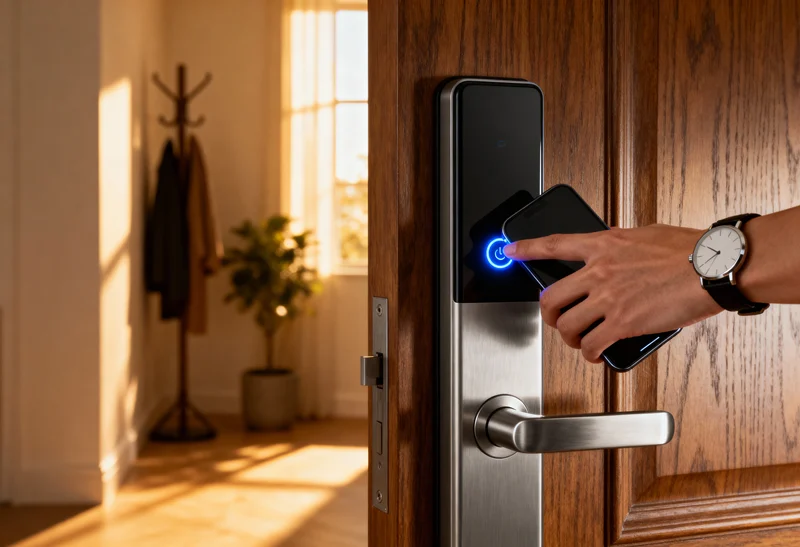
Mobile based electronic lock solutions allow users to unlock doors using smartphone apps or Bluetooth credentials. These systems are attractive for coworking spaces, serviced apartments, and modern offices because digital keys can be issued, updated, or revoked remotely without physical card handover. However, when considering mobile solutions, you should think about user adoption, data security, smartphone battery life, and offline scenarios where network coverage may be poor. Good planning involves clear instructions, backup access methods, and a privacy conscious configuration.
For smart home applications and smaller commercial properties, Wi Fi or cloud connected smart locks provide convenient remote access control. Administrators can check lock status, receive tamper alerts, and grant temporary access from anywhere with an internet connection. These electronic lock solutions are ideal when you have a limited number of doors and reliable network connectivity. Due to their dependence on power and internet access, they are less suitable for isolated industrial sites or critical infrastructure that demands high resilience and clear offline operation modes.
Biometric electronic lock systems use fingerprints, facial recognition, or other unique physical characteristics to identify users. They are often used in corporate offices, laboratories, and areas with sensitive information where key sharing must be prevented. When deployed correctly, they reduce issues related to forgotten cards or codes and make access fast and convenient. However, biometric locks must be carefully configured to respect local privacy regulations, protect biometric templates, and function correctly in environments with dust, moisture, or users who wear gloves regularly.
One of the most powerful options for critical and remote infrastructure is the passive electronic lock solution. In this architecture, each lock on a gate, cabinet, or enclosure contains no battery and no wiring. Instead, the power and access rights are carried in an intelligent electronic key. When the authorized key touches or inserts into the lock, it energizes the lock momentarily, checks permissions, and records the access event. This approach is extremely well suited to telecom towers, power distribution cabinets, rail signal boxes, outdoor fences, and industrial facilities where running cables or replacing lock batteries would be impractical.
A passive electronic lock system, such as those used in modern telecom and utility environments, combines high security encryption, central permission management, and detailed audit trails with very low maintenance out in the field. Administrators can program keys with time limited permissions for technicians or contractors, block a lost key in the software, and retrieve access logs for analysis. Because locks do not rely on external power, they continue to work consistently even in remote, harsh, or explosive risk environments where traditional smart locks would fail or require frequent servicing.
To decide which electronic lock solutions make sense for you, it helps to look at how different sectors apply these technologies in daily operations. From the front entrance of an office building to a fiber distribution cabinet on a mountain, the basic goals are similar. You want the right people to get timely access while keeping everyone else out, and you want to prove what actually happened when someone asks.
In commercial buildings, electronic lock solutions are used for main entrances, internal office doors, meeting rooms, storage areas, and high security spaces such as server rooms or finance offices. Administrators can group users by department, role, or project, and grant access only to the areas that each group truly needs. When an employee leaves, their credentials are simply deactivated in the system. When external visitors arrive, reception can issue temporary badges with restricted rights that expire automatically after the meeting or project ends.
Hotels, serviced apartments, and multi family buildings rely heavily on electronic lock solutions to manage constant turnover of guests and tenants without affecting security. Room locks, entrance doors, parking gates, and shared facilities such as gyms or laundry rooms can all be secured using cards or mobile credentials. Clear electronic logs and flexible permission management help property managers balance guest convenience with building safety at scale, especially when they oversee multiple properties in different locations.
Logistics centers, warehouses, and transport hubs face daily challenges with vehicle movements, cargo handling, and access to restricted areas. Electronic lock solutions can secure loading docks, inventory cages, dispatch offices, yard gates, trailers, and containers. Using electronic padlocks or cabinet locks, operators can track exactly which driver or staff member opened which lock and at what time. This level of traceability helps reduce shrinkage, supports insurance claims, and builds a stronger culture of accountability around high value goods.
Telecom operators, energy providers, and water utilities often manage thousands of remote sites such as base stations, substations, pumping stations, and roadside cabinets. Electronic lock solutions, especially passive electronic lock systems with robust padlocks and cylinders, allow them to centralize access rights and obtain audit logs without adding wiring or local power. When a technician needs to visit multiple sites in a day, the central control team can program a key with time limited permissions and know exactly where it was used. This significantly reduces the risk associated with lost keys and unrecorded visits.
Selecting the best electronic lock solutions for your building or infrastructure starts with a clear understanding of your environment, your risks, and your operational patterns. Instead of asking which product is the most advanced, it is more effective to ask which system aligns best with how your people work, how your sites are structured, and what kind of evidence or reporting you will need in the future.
Begin by mapping your doors, cabinets, gates, and enclosures and classifying them by importance and environment. Indoor office doors with stable power and network access can make good use of wired or Wi Fi connected systems. Outdoor or remote infrastructure that must survive harsh weather and power interruptions may be better suited to passive electronic lock solutions. By grouping assets into logical categories, you can decide whether you need one unified system or a combination of solutions that interoperate at the software level.
Modern electronic lock solutions do not operate in isolation. They often interface with time and attendance systems, visitor management platforms, building automation, or guard tour systems. Before finalizing a choice, define which roles will manage access, which teams will use the system daily, and which external systems must exchange data with your locks. This upfront work avoids future integration surprises and ensures that your investment delivers real value in daily operations rather than becoming a standalone tool that no one wants to maintain.
Good electronic lock solutions are designed to be scalable and secure over many years. Check whether the platform supports adding more doors, sites, and users without a complete redesign. Review how firmware updates, encryption keys, and user permissions are handled, and make sure that vendor documentation addresses cybersecurity practices clearly. When you evaluate vendors, look for evidence of real deployments in similar industries and environments, references from existing customers, and support arrangements that will help you keep the system healthy over its entire life cycle.
When you look beyond individual doors and devices, electronic lock solutions become a powerful foundation for a broader access control strategy that supports safety, compliance, and efficient operations. By choosing the right mix of keypad locks, card systems, mobile credentials, and passive electronic lock solutions for remote sites, you can give each area of your organization the level of protection it truly needs. The most successful deployments are those that combine strong technology with thoughtful processes, clear roles, and ongoing review of access data so that security keeps pace with how your business evolves over time.

