
Electronic Keyless Locks: The Future of Security
Introduction
In a world where technology permeates every aspect of our lives, the shift towards electronic keyless locks is a natural progression in the evolution of security systems. But what exactly are electronic keyless locks, and why are they becoming so important in our modern society? These locks offer a combination of advanced technology and convenience, making them an essential component of modern security solutions. From residential homes to commercial establishments, electronic keyless locks are transforming how we protect our spaces.
History of Electronic Locks
The journey from traditional mechanical locks to electronic keyless locks is fascinating. Initially, locks were simple mechanisms, often a piece of wood or metal blocking entry. Over time, with advancements in technology, locks became more sophisticated, incorporating tumblers, keys, and eventually electronic components. The first electronic locks appeared in the 1970s, primarily used in high-security areas like banks and government buildings. These early versions paved the way for the smart locks we know today, which integrate seamlessly with our digital lives. Understanding this evolution helps us appreciate the sophisticated technology behind today's electronic keyless locks.
How Electronic Keyless Locks Work
Understanding the workings of electronic keyless locks is crucial to appreciating their benefits. At the core, these locks consist of several key components: a locking mechanism, an electronic control unit, and an interface for user interaction (such as a keypad or biometric scanner). When a user inputs their code or presents their biometric data, the control unit processes this information and activates the locking mechanism if the input is correct. This seamless operation is both quick and reliable, enhancing user experience and security. The precision and reliability of these systems ensure that only authorized individuals gain access, providing peace of mind.
Types of Electronic Keyless Locks
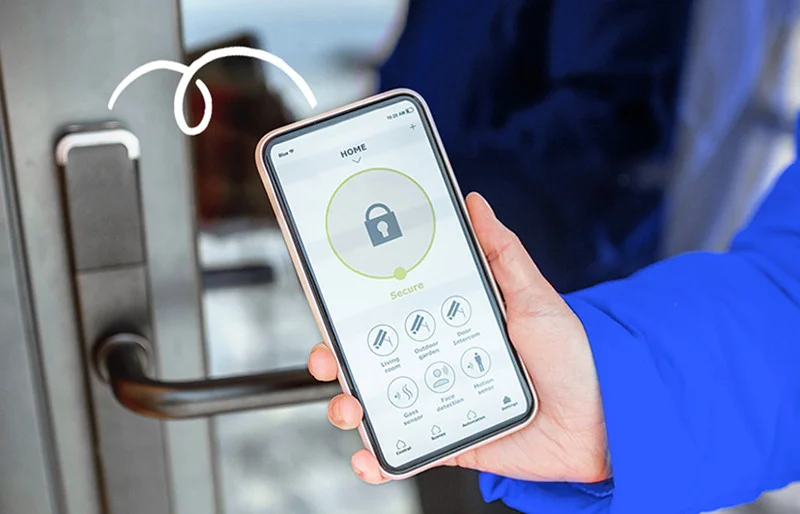
Electronic keyless locks come in various forms, each offering unique benefits. Keypad locks are the most common type, requiring users to input a code to gain entry. They are straightforward to use and offer robust security. Biometric locks use fingerprints or retina scans, offering high levels of security by ensuring only authorized individuals can gain access. RFID locks use radio frequency identification to grant access, making them extremely convenient. Smart locks, integrated with smart home systems, can be controlled via smartphone apps, providing unparalleled convenience and remote access capabilities. Each type caters to different security needs and user preferences.
Advantages of Electronic Keyless Locks
Enhanced Security
Electronic keyless locks provide superior security compared to traditional locks. Features like encryption, two-factor authentication, and audit trails make unauthorized access extremely difficult. These advanced security measures ensure that your property is well-protected against potential intruders.
Convenience and Ease of Use
Forget fumbling for keys; electronic locks offer quick and easy access through codes, biometric data, or smartphone apps. This convenience is especially beneficial in emergency situations or when carrying groceries and other items.
Remote Access
Smart locks allow users to control their locks remotely, providing flexibility and peace of mind, especially when managing multiple properties. You can grant access to visitors or service providers even when you're not home.
Integration with Smart Home Systems
Electronic keyless locks can be integrated with other smart home devices, creating a cohesive and automated home security system. This integration allows for features like automatic locking and unlocking, real-time alerts, and seamless operation with other smart devices.
Disadvantages of Electronic Keyless Locks
Cost Considerations
Electronic locks are generally more expensive than traditional locks, both in terms of initial purchase and installation costs. This higher cost can be a barrier for some, but the investment often pays off in terms of enhanced security and convenience.
Potential Technical Issues
Like any electronic device, these locks can experience technical issues, such as software glitches or power failures. It's important to have a backup plan in case of such issues, like a mechanical key or an emergency battery.
Dependence on Power and Connectivity
Electronic locks require a stable power source and, in the case of smart locks, a reliable internet connection to function optimally. Power outages or network issues can temporarily disable these locks, which is something to consider when choosing a lock type.
Applications of Electronic Keyless Locks
Residential Uses
Homeowners use electronic locks for front doors, garage doors, and even interior doors to secure sensitive areas. These locks provide peace of mind, knowing that your home is protected by advanced security technology.
Commercial Uses
Businesses employ electronic locks to secure offices, warehouses, and sensitive areas, ensuring only authorized personnel have access. This level of security is crucial for protecting valuable assets and confidential information.
Industrial Uses
In industrial settings, electronic locks protect valuable equipment and sensitive information from unauthorized access. These locks are essential for maintaining the security of large facilities and ensuring that only trained personnel can access certain areas.
Security Features
Encryption and Security Protocols
Electronic keyless locks use advanced encryption and security protocols to protect against hacking and unauthorized access. These protocols are constantly updated to address new security threats, ensuring that your lock remains secure.
Anti-Tampering Features
These locks are designed with anti-tampering mechanisms to alert users of any attempted breaches. If someone tries to tamper with the lock, you'll receive an immediate alert, allowing you to take action quickly.
Audit Trails and Activity Logs
Many electronic locks maintain detailed logs of all access attempts, providing a clear record of who accessed the lock and when. This feature is especially useful for businesses and landlords who need to monitor access closely.
Installation and Maintenance
DIY vs. Professional Installation
While some electronic locks can be installed by handy homeowners, professional installation ensures optimal performance and security. A professional installer will make sure the lock is properly aligned and integrated with your existing security system.
Regular Maintenance Tips
Regularly updating software, replacing batteries, and cleaning components can extend the life of your electronic lock and ensure it functions smoothly. Regular maintenance prevents small issues from becoming major problems and keeps your lock in top condition.
Choosing the Right Electronic Keyless Lock
Factors to Consider
Consider factors like security needs, budget, and the type of lock that best fits your requirements. Think about where the lock will be used, who will need access, and any specific features you need.
Comparing Different Brands and Models
Researching and comparing different brands and models can help you find the best electronic keyless lock for your needs. Look at reviews, specifications, and warranty information to make an informed decision.
Future Trends in Electronic Keyless Locks
Innovations on the Horizon
Expect advancements like improved biometric recognition, AI integration, and enhanced connectivity features in future electronic locks. These innovations will make locks even more secure and user-friendly.
Predicted Market Growth
The market for electronic keyless locks is expected to grow significantly, driven by increasing security concerns and technological advancements. As more people recognize the benefits of these locks, their adoption will continue to rise.
Myths and Misconceptions
Common Myths Debunked
Despite common myths, electronic keyless locks are not easily hackable and can be highly reliable when properly installed and maintained. Many people believe these locks are vulnerable to hacking, but advanced security features protect against such threats.
Facts vs. Fiction
Separating facts from fiction can help you make an informed decision about adopting electronic keyless locks. Understanding the reality of these systems helps dispel fears and misconceptions.
Case Studies
Real-World Examples of Implementation
Examining real-world examples of electronic lock implementations can provide valuable insights into their effectiveness and benefits. From homes to businesses, these case studies highlight how electronic locks enhance security.
Success Stories
Success stories from homeowners and businesses can illustrate the practical advantages of electronic keyless locks. These stories showcase the reliability, convenience, and security these locks provide.
Conclusion
Electronic keyless locks represent a significant advancement in security technology, offering enhanced protection, convenience, and integration with modern smart home systems. While they come with some challenges, the benefits far outweigh the drawbacks, making them a valuable addition to any security setup. By understanding their features, applications, and potential issues, you can make an informed decision about integrating these advanced locks into your security strategy.
FAQs
Are electronic keyless locks safe?
Yes, electronic keyless locks are designed with advanced security features, making them very safe when properly used and maintained. They employ encryption, two-factor authentication, and other security protocols to ensure only authorized access.
Can electronic keyless locks be hacked?
While no system is completely hack-proof, electronic keyless locks use encryption and other security measures to minimize the risk. Regular software updates and using strong access codes further reduce the chances of hacking.
How long do electronic keyless locks last?
With proper maintenance, electronic keyless locks can last for many years. Regular updates and battery replacements are essential to ensure longevity and optimal performance.
Are electronic keyless locks easy to install?
Some models are designed for DIY installation, but professional installation is recommended for optimal performance and security. A professional can ensure the lock is correctly installed and integrated with your existing security system.
Can I integrate an electronic keyless lock with my smart home system?
Yes, many electronic keyless locks are compatible with smart home systems, allowing for seamless integration and remote control. This integration provides added convenience and enhanced security features.
