
Electronic Entrance Door Locks
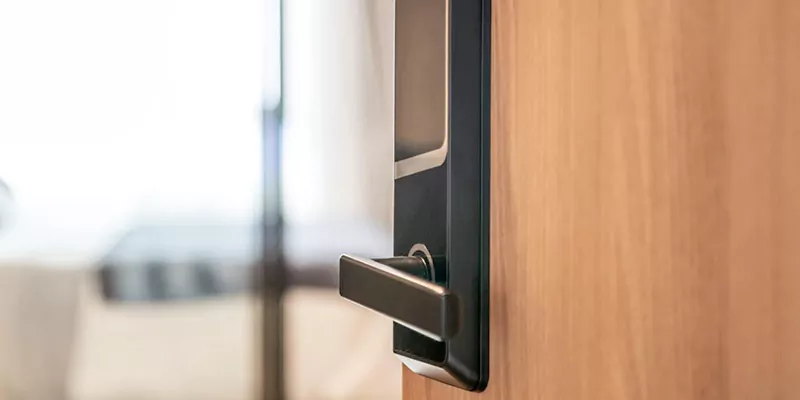
In an increasingly digital world, the demand for enhanced security solutions has skyrocketed, and electronic entrance door locks have emerged as a popular choice for both residential and commercial properties. These locks offer a level of convenience and security that traditional mechanical locks simply cannot match. With the ability to integrate with smart home systems, provide keyless entry, and offer customizable access controls, electronic entrance door locks are quickly becoming the standard in modern security systems.
Types of Electronic Entrance Door Locks
Electronic entrance door locks come in various forms, each designed to meet specific security needs and preferences. Understanding the different types available can help you choose the right lock for your home or business, ensuring optimal security and convenience.
Keypad Locks
Keypad locks are among the most straightforward types of electronic entrance door locks. They require users to enter a numeric code on a keypad to unlock the door. This type of lock is particularly appealing for those who want a simple and secure keyless entry solution without the need for additional devices or connectivity.
**Features and Benefits:** Keypad locks offer a range of benefits, including the elimination of physical keys, which can be lost or stolen. These locks are easy to install and program, allowing multiple users to have their unique access codes. Additionally, many keypad locks come with backlit keypads, making it easier to enter codes in low-light conditions.
**Popular Brands:** Some of the most trusted brands in keypad locks include Schlage, Kwikset, and Yale. These manufacturers offer a variety of models that cater to different needs, from basic residential locks to advanced models with additional security features like auto-locking mechanisms.
Smart Locks
Smart locks represent the next step in electronic lock technology, offering a seamless integration with your smartphone or other smart devices. These locks can be controlled remotely, providing unparalleled convenience for homeowners who want to monitor and control access to their property from anywhere in the world.
**Connectivity Options:** Smart locks typically connect to your devices via Bluetooth, Wi-Fi, or Z-Wave. Bluetooth-enabled locks allow for proximity-based unlocking, meaning the door unlocks automatically as you approach with your smartphone. Wi-Fi-enabled locks, on the other hand, offer remote access, allowing you to control your lock from virtually anywhere with an internet connection. Z-Wave locks are ideal for those with a comprehensive smart home system, as they can easily integrate with other Z-Wave devices.
**Integration with Smart Home Systems:** One of the standout features of smart locks is their ability to integrate with popular smart home ecosystems like Amazon Alexa, Google Assistant, and Apple HomeKit. This integration allows you to use voice commands to lock or unlock your door, create automated routines, and even receive notifications about the status of your lock.
Biometric Locks
Biometric locks offer a level of security that is hard to match, as they use your unique physical characteristics—such as fingerprints or facial recognition—to grant access. These locks are often seen in high-security environments where ensuring that only authorized individuals can gain entry is crucial.
**Fingerprint and Facial Recognition Technology:** The most common types of biometric locks use fingerprint sensors to identify users. These sensors are incredibly accurate and can quickly recognize authorized fingerprints, allowing for fast and secure access. Some advanced models also offer facial recognition, scanning the user's face to confirm identity before granting access.
**Security Implications:** Biometric locks are among the most secure electronic locks available, as the chances of someone duplicating your fingerprint or face are extremely low. However, it’s essential to ensure that the biometric data stored by the lock is encrypted and protected to prevent unauthorized access.
Card and Fob Access Locks
Card and fob access locks are particularly popular in commercial settings where multiple users need access to the same space. These locks use RFID technology to read a card or fob, granting access to the holder without the need for a traditional key or numeric code.
**How They Work:** These locks are designed to read the RFID chip embedded in a card or fob. When the card or fob is tapped against the lock, it reads the chip and, if authorized, unlocks the door. This system is highly convenient for environments where many people need access, as cards and fobs can be easily issued or revoked as needed.
**Common Use Cases in Commercial Settings:** Card and fob access locks are widely used in offices, hotels, and other commercial environments where managing multiple users is a necessity. These locks make it easy to control who has access to different areas and to monitor entry times, enhancing overall security.
Advantages of Electronic Entrance Door Locks
The transition to electronic entrance door locks offers a myriad of benefits that cater to the needs of modern-day security. Whether you're looking for enhanced protection, greater convenience, or advanced customization, electronic locks provide solutions that traditional locks simply can't match.
Enhanced Security
Security is a primary concern when it comes to choosing an entrance door lock, and electronic locks provide a level of protection that is difficult to achieve with mechanical locks. These locks use advanced technology to safeguard your property against unauthorized access, providing peace of mind for homeowners and business owners alike.
**Why Electronic Locks Are More Secure:** Unlike traditional locks, which can be picked or bumped, electronic locks often feature encryption and tamper-resistant mechanisms. Many models also include an auto-locking function that automatically secures the door after a certain period, reducing the risk of human error. Additionally, the audit trail feature available in some electronic locks allows you to monitor who has accessed the lock and when, providing a detailed record of entry and exit.
**Preventing Unauthorized Access:** Electronic locks are designed to be more resistant to tampering and unauthorized entry attempts. Some models come with built-in alarms that trigger if someone tries to force the lock, while others can send real-time alerts to your smartphone, keeping you informed of any suspicious activity.
Convenience and Ease of Use
One of the standout benefits of electronic entrance door locks is the convenience they offer. Say goodbye to the days of fumbling for keys or worrying about losing them. With electronic locks, you can enjoy the ease of keyless entry and the ability to control access with just a few taps on your smartphone.
**Keyless Entry Benefits:** Keyless entry is not just about convenience—it's also about enhancing security. Without a physical key, there's nothing to lose, duplicate, or steal. Many electronic locks allow you to create temporary access codes for guests or service providers, which can be easily deleted after use. This feature ensures that you maintain control over who can enter your home or business at all times.
**Remote Access Capabilities:** Smart locks, in particular, offer remote access capabilities, allowing you to lock or unlock your door from anywhere in the world. Whether you're at work, on vacation, or just running errands, you can check the status of your lock, grant access to visitors, and receive notifications about who is coming and going—all from your smartphone.
Customizable Access Control
Electronic entrance door locks offer a level of customization that is unmatched by traditional locks. Whether you need to manage access for multiple users, set specific access times, or create temporary codes, electronic locks give you the flexibility to tailor your security system to your exact needs.
**Setting Up User-Specific Access:** With electronic locks, you can easily create unique access codes for different users. This is particularly useful in commercial settings where multiple employees need access to certain areas. You can assign specific codes to each person and track their usage through the lock's audit trail feature, ensuring that only authorized individuals are entering restricted areas.
**Temporary Access Codes:** One of the most convenient features of electronic locks is the ability to create temporary access codes. This is perfect for situations where you need to grant access to someone for a limited time, such as a guest, house cleaner, or maintenance worker. Once their task is complete, you can easily delete the code, ensuring that they no longer have access to your property.
Integration with Security Systems
For those with a comprehensive security system in place, electronic entrance door locks can seamlessly integrate with other components, creating a unified and efficient security network. This integration allows for greater control and monitoring, ensuring that all aspects of your property are protected.
**How Electronic Locks Fit into Broader Security Frameworks:** Electronic locks can be connected to your existing alarm system, surveillance cameras, and other security devices, creating a cohesive security strategy. This integration allows you to monitor all entry points, receive alerts for any unauthorized access, and even control your locks remotely as part of your broader security plan.
**Monitoring and Alerts:** Many electronic locks offer real-time monitoring and alert features, keeping you informed of any activity at your door. Whether it's an attempted break-in or simply a family member arriving home, you can receive instant notifications on your smartphone, giving you peace of mind wherever you are.
Potential Drawbacks
While electronic entrance door locks offer numerous advantages, they are not without their potential drawbacks. It's important to consider these factors before making a purchase to ensure that an electronic lock is the right choice for your specific needs.
Dependence on Technology
Electronic locks rely heavily on technology, which means they are subject to the same vulnerabilities as any other tech-based product. Power outages, technical glitches, and connectivity issues can all affect the performance of your lock, potentially leaving you locked out or unable to secure your property.
**What Happens During Power Outages or Technical Failures?** While many electronic locks come with backup options like physical keys or battery packs, these features may not always be available or convenient to use in an emergency. It's essential to consider how your lock will function in the event of a power outage or technical failure, and to have a contingency plan in place.
**Battery Life Considerations:** Most electronic locks are battery-powered, which means you need to regularly check and replace the batteries to ensure your lock remains operational. Some locks offer low-battery alerts, but it's still important to stay on top of battery maintenance to avoid being locked out unexpectedly.
Cost Considerations
The cost of electronic entrance door locks can be significantly higher than traditional locks, both in terms of initial investment and ongoing maintenance. It's important to weigh these costs against the benefits to determine if an electronic lock is the right choice for your budget.
**Initial Investment vs. Traditional Locks:** Electronic locks are generally more expensive than their mechanical counterparts due to the advanced technology and features they offer. While the initial cost may be higher, it's essential to consider the long-term benefits, such as enhanced security and convenience, which can offset the upfront expense.
**Ongoing Maintenance Costs:** In addition to the initial cost, electronic locks may require ongoing maintenance, such as battery replacements, software updates, and potential repairs. It's important to factor these costs into your budget when considering an electronic lock.
Privacy Concerns
As with any device that collects and stores data, electronic entrance door locks raise privacy concerns. It's crucial to understand how your lock handles data, including who has access to it and how it is protected, to ensure that your personal information remains secure.
**Data Collection and Security Risks:** Many electronic locks collect data such as entry logs and user information, which could be vulnerable to hacking or unauthorized access. It's important to choose a lock that offers robust encryption and data protection features to safeguard your personal information.
**Managing Personal Information:** Be sure to review the lock's privacy policy and understand how your data will be used. Some locks offer the ability to anonymize data or limit its collection, providing an added layer of security for your personal information.
How to Choose the Right Electronic Entrance Door Lock
Choosing the right electronic entrance door lock involves considering a variety of factors, from your specific security needs to compatibility with existing systems. By taking the time to assess your options, you can find a lock that offers the perfect balance of security, convenience, and affordability.
Assessing Your Needs
The first step in selecting an electronic entrance door lock is to assess your specific security needs. Are you looking for a lock for your home or business? Do you need a lock that offers advanced features like biometric scanning or smart home integration? By understanding your requirements, you can narrow down your options and choose a lock that meets your exact needs.
**Residential vs. Commercial Use:** Consider whether the lock will be used in a residential or commercial setting, as this will influence the features and security levels required. For example, a commercial property may require a lock that can manage access for multiple users, while a residential property may prioritize convenience and ease of use.
**Desired Features and Functionalities:** Make a list of must-have features, such as remote access, biometric scanning, or smart home integration. This will help you focus on locks that offer the functionalities you need, ensuring that you get the most out of your investment.
Compatibility with Existing Systems
Ensuring that your electronic entrance door lock is compatible with your existing systems is crucial for a seamless integration. Whether you're looking to integrate your lock with a smart home system or retrofit it to an existing door, compatibility should be a top consideration.
**Smart Home Integration:** If you already have a smart home system in place, choose a lock that can easily integrate with it. This will allow you to control your lock along with other smart devices, creating a unified and convenient home automation experience.
**Retrofitting Options for Existing Doors:** Some electronic locks are designed to fit standard door sizes, while others may require additional modifications. Be sure to check the manufacturer's specifications to ensure that the lock you choose will fit your door without the need for extensive modifications.
Budget Considerations
Budget is always a key factor when choosing an electronic entrance door lock. By understanding the total cost of ownership, including initial investment, ongoing maintenance, and potential upgrades, you can choose a lock that fits your budget while still offering the features you need.
**Balancing Cost with Features:** Determine your budget and find a lock that offers the best combination of features within that range. While it may be tempting to go for the most advanced model, it's important to consider whether the additional features are worth the extra cost.
**Understanding the Total Cost of Ownership:** In addition to the initial purchase price, consider ongoing costs such as battery replacements, software updates, and potential repairs. By factoring in these costs, you can ensure that the lock you choose is a sound investment.
Installation and Maintenance Tips
Proper installation and maintenance are crucial to ensuring the longevity and functionality of your electronic entrance door lock. Whether you choose to install the lock yourself or hire a professional, following best practices can help you get the most out of your investment.
DIY vs. Professional Installation
Deciding between DIY and professional installation depends on your comfort level with the technology and the complexity of the lock. While DIY installation can save money, professional installation ensures that the lock is correctly installed and functioning properly.
**Pros and Cons of Each Option:** DIY installation can be a cost-effective option, but it requires a certain level of technical skill and the right tools. On the other hand, professional installation may come at an additional cost, but it offers the peace of mind that the lock is installed correctly and will function as intended.
**Tools and Skills Required for DIY Installation:** If you choose to install the lock yourself, make sure you have the necessary tools and follow the manufacturer’s instructions carefully. This may include a drill, screwdrivers, and potentially some technical know-how, depending on the complexity of the lock.
Regular Maintenance Practices
Regular maintenance is key to keeping your electronic entrance door lock in top condition. By following a few simple practices, you can ensure that your lock continues to function smoothly and securely for years to come.
**Battery Replacement and Software Updates:** Most electronic locks are battery-powered, so it's important to regularly check and replace the batteries to avoid being locked out. Additionally, many electronic locks offer software updates that improve functionality and security, so be sure to keep your lock’s software up to date.
**Cleaning and Upkeep Tips:** To keep your lock functioning properly, clean it regularly to prevent dirt and debris from interfering with its operation. Avoid using harsh chemicals that could damage the lock’s finish. Instead, use a soft cloth and a mild cleaning solution to keep your lock looking and performing its best.
Future Trends in Electronic Locks
The world of electronic locks is constantly evolving, with new trends and technologies shaping the future of door security. By staying informed about these trends, you can ensure that your security system remains cutting-edge and effective.
Advancements in Biometric Technology
Biometric technology continues to advance, offering even more secure and convenient ways to access your home or office. As this technology becomes more widespread, we can expect to see even greater accuracy and reliability in biometric locks.
**The Future of Fingerprint and Facial Recognition:** Fingerprint and facial recognition technology is becoming increasingly sophisticated, with faster processing times and enhanced security features. As these technologies continue to evolve, biometric locks will become an even more attractive option for those seeking the highest level of security.
**Potential for Other Biometric Methods:** Beyond fingerprints and facial recognition, other biometric methods such as voice recognition and vein pattern recognition may become more common in the future. These technologies offer additional layers of security and convenience, further enhancing the appeal of biometric locks.
Increased Smart Home Integration
As smart home technology becomes more widespread, electronic entrance door locks will play an increasingly central role in home automation. This integration will allow for greater control and convenience, making it easier than ever to manage your home’s security.
**The Role of AI and IoT in Door Security:** Artificial intelligence (AI) and the Internet of Things (IoT) are set to revolutionize door security, enabling more intelligent and responsive security systems. These technologies will allow your lock to learn from your habits and preferences, creating a more personalized and secure experience.
**Voice Control and Automation:** Voice-controlled locks and fully automated door systems are on the horizon, offering even greater convenience and security. Imagine being able to unlock your door with a simple voice command or having your lock automatically engage when you leave the house—these innovations are just around the corner.
Enhanced Security Features
Security is always a top priority, and future electronic locks will likely include even more advanced features to keep your home or office safe. From stronger encryption methods to multi-factor authentication, the next generation of electronic locks will be more secure than ever.
**Developing Encryption Methods:** As technology advances, so do the methods used by hackers to bypass security measures. To stay ahead of these threats, electronic locks will need to employ stronger encryption methods and other security protocols, ensuring that your property remains protected.
**Multi-Factor Authentication in Door Locks:** Multi-factor authentication (MFA) is already common in online security, and it’s likely to become a standard feature in electronic locks as well. By requiring two or more forms of verification—such as a fingerprint and a passcode—MFA can significantly enhance the security of your lock.
Conclusion
Electronic entrance door locks offer a modern and secure way to protect your home or business. With a variety of types to choose from, each offering unique features, these locks provide enhanced security, convenience, and customizable access control. While there are potential drawbacks to consider, such as cost and dependence on technology, the benefits often outweigh the challenges. As technology continues to advance, we can expect even more innovative and secure electronic locks in the future.
FAQs
Are electronic locks safe from hacking?
Yes, electronic locks are designed with advanced encryption and security features to prevent hacking. However, like any digital device, they are not entirely immune to hacking attempts. It is essential to keep your lock's software updated and use strong, unique passwords to minimize risks. Regularly reviewing the security settings and ensuring that your lock is integrated into a secure network can also help protect against potential threats.
How long do electronic door locks last?
The lifespan of an electronic door lock depends on the brand, model, and usage. On average, electronic locks can last anywhere from 5 to 10 years with proper maintenance. Regular battery replacements and software updates can help extend the life of your lock. Additionally, choosing a high-quality lock from a reputable manufacturer can ensure durability and long-term reliability.
Can I install an electronic lock on any door?
Most electronic locks are designed to fit standard door sizes, but it's important to check the manufacturer's specifications before purchasing to ensure compatibility with your door. Some doors may require minor modifications to accommodate an electronic lock. If you're unsure about the fit, it may be wise to consult with a professional installer who can assess your door and recommend the best lock options.
What should I do if my electronic lock stops working?
If your electronic lock stops working, start by checking the batteries and replacing them if necessary. If the issue persists, consult the manufacturer's troubleshooting guide or contact customer support for assistance. Many electronic locks also offer a physical key backup, allowing you to unlock the door manually in case of a malfunction. Regular maintenance and prompt attention to any issues can help prevent long-term problems.
Do electronic locks require regular updates?
Yes, electronic locks often require software updates to improve functionality and security. Regularly checking for and installing updates is crucial to ensure your lock remains protected against new security threats. Updates may also introduce new features or enhancements, improving the overall performance of your lock. Staying informed about the latest updates from the manufacturer can help you keep your lock in optimal condition.
