
Display Cabinet Locks: Securing Your Valuables with Style and Efficiency
When it comes to securing valuables, whether in a retail environment, museum, or home setting, the choice of lock for your display cabinets can significantly impact both security and accessibility. Display cabinet locks are specialized mechanisms designed to protect and showcase items while deterring unauthorized access. The significance of choosing the right lock cannot be overstated, as it ensures the safety of valuable items while still allowing them to be displayed attractively and accessibly.
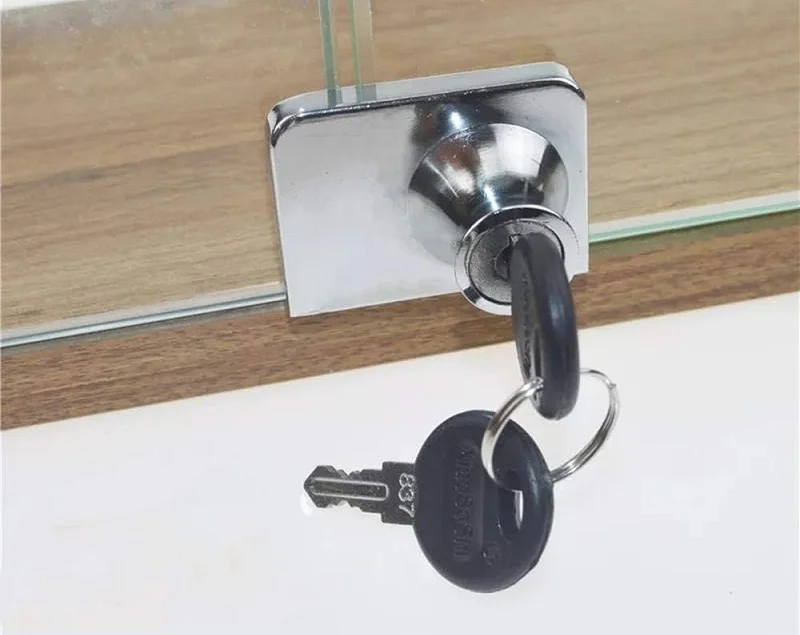
Types of Display Cabinet Locks
Cam Locks
Cam locks are among the most common types of locks used in display cabinets due to their simplicity and effectiveness. They are versatile and can be used in a variety of settings, from small display cases in retail stores to large cabinets in museums. The main feature of a cam lock is its cylindrical shape, which rotates within the cabinet's locking mechanism to secure the door.
Installation Tips
Installing a cam lock typically involves drilling a single hole in the cabinet and screwing the lock in place. It is a straightforward process that most can handle with basic tools. However, ensuring that the cam aligns correctly with the strike plate is crucial for maximizing security and functionality.
Sliding Glass Door Locks
Ideal for cabinets with sliding doors, these locks help secure the doors without compromising the visibility of the items inside. They are particularly useful in retail environments where products need to be visible yet secured. Sliding glass door locks usually work by attaching a bolt or lock mechanism to one door, which then interlocks with the other door.
Installation Tips
Sliding glass door locks usually clamp onto the glass without the need for drilling, making them easy to install and relocate. The key is to ensure that the lock is positioned in a place where it can effectively prevent both doors from being opened.
Push Button Locks
Push button locks offer a keyless entry option that is quick and convenient, perfect for environments where access needs to be frequent yet controlled. These locks are often used in cases where multiple people need access to the contents of a display cabinet, such as in a museum or retail store.
Installation Tips
These locks typically require more precise installation, often needing alignment of the locking mechanism with the cabinet frame. This ensures that the push button effectively engages and disengages the lock.
Choosing the Right Lock for Your Display Cabinet
Assessing Your Security Needs
Consider what you are protecting and the level of security required. High-value items may need more robust locking systems, which provide enhanced protection against tampering and unauthorized access.
Considering the Cabinet’s Material
The material of your cabinet—wood, metal, or glass—affects the type of lock that can be installed without causing damage or reducing security. Each material may require a different type of lock to maximize security while maintaining the integrity of the cabinet.
Aesthetic Considerations
The lock should complement the design of your cabinet and the decor of the space without being overly conspicuous. This involves choosing a lock that not only secures effectively but also blends seamlessly with the cabinet's aesthetic.
FAQs
What is the most secure type of display cabinet lock? The most secure type of lock is typically a high-security cam lock or an electronic lock that offers features such as access logs and alarms.
How often should I maintain my cabinet locks? Cabinet locks should be inspected and maintained at least once a year to ensure they are functioning properly and have not been compromised.
Can display cabinet locks be easily picked? While no lock is entirely pick-proof, high-security locks are designed to offer a higher level of resistance to picking.
What are the cost implications of upgrading to a smart lock? Upgrading to a smart lock can be more costly upfront, but the added security and convenience often justify the investment, particularly for high-value items.
How do electronic locks differ from mechanical locks? Electronic locks offer advantages such as remote access, user tracking, and the ability to easily change codes, which are not possible with traditional mechanical locks.
