
In today's world, home security is more important than ever. With the rise of smart technology, electronic locks have become a popular choice for homeowners seeking to enhance their security and simplify access control. Unlike traditional locks that rely on physical keys, electronic locks offer a range of features that provide both convenience and peace of mind. This guide will explore the various types of electronic locks available for homes, the key features to consider when selecting one, and answer some common questions about this modern security solution.
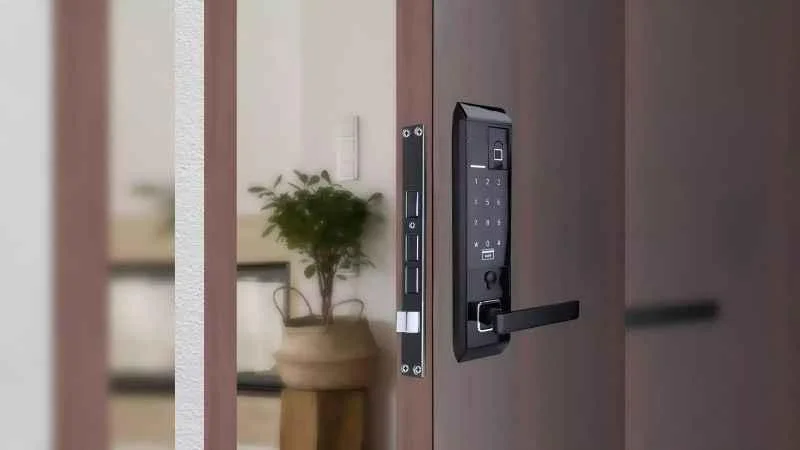
Keypad locks are among the most widely used electronic locks today. They function by requiring the user to input a numerical code on a keypad to unlock the door. This eliminates the need for physical keys, which can be lost or stolen, and allows homeowners to easily change the access code when needed. Keypad locks are particularly popular for their simplicity and reliability, making them a great option for families.
- Pros: Easy to use, No need for physical keys, Simple to change access codes
- Cons: Code can be forgotten, Potential for wear on the keypad, revealing the code
Smartphone-controlled locks represent the next level in home security. These locks are connected to your smartphone via Bluetooth, Wi-Fi, or a dedicated app, allowing you to lock or unlock your door remotely. This feature is incredibly convenient, especially if you need to grant access to someone while you're away from home. Additionally, these locks often integrate with smart home systems, enabling you to control your security alongside other smart devices.
Biometric locks use your unique biological traits, such as fingerprints or facial recognition, to grant access. These locks offer a high level of security, ensuring that only authorized individuals can enter your home. The use of biometrics eliminates the risk of lost keys or forgotten codes, making it a secure and convenient option, especially for families with children.
- Security Advantages: High level of security, Quick and convenient access, Eliminates the need for keys or codes
RFID (Radio Frequency Identification) locks operate by using a key fob or card that communicates with the lock to unlock the door. When the correct fob or card is brought near the lock, it automatically disengages. RFID locks are favored for their ease of use and convenience, particularly in settings where quick, keyless entry is desired.
- Applications and Use Cases: Easy keyless entry, Quick access with fobs or cards, Secure and convenient
Combination locks offer a blend of various access methods, such as combining a keypad with biometric verification or RFID technology. These locks provide flexibility, allowing homeowners to choose the most appropriate method of access for different situations. Multi-factor authentication enhances security by requiring more than one form of verification.
- Flexibility and Security: Multiple access methods, Enhanced security through multi-factor authentication, Suitable for diverse security needs
One of the most significant advantages of electronic locks is the ability to control and monitor them remotely. Whether you're at work, on vacation, or just out running errands, remote access lets you lock or unlock your door from anywhere. This feature is particularly useful for letting in guests, service providers, or deliveries when you're not home. It also provides peace of mind by allowing you to check whether your door is locked and take action if necessary.
Many electronic locks can be integrated with smart home systems, which allows you to control your security alongside other devices like cameras, lights, and voice assistants. This integration offers seamless automation and control. For example, you can set your door to lock automatically when you leave the house or have your lights turn on when you unlock the door. This not only enhances security but also adds convenience to your daily routine.
Temporary access codes are a valuable feature for households that frequently have guests, babysitters, or service providers. These codes can be set to work only during specific times or for a limited number of uses, after which they expire. This allows you to control who has access to your home and when, without the need to change your main code or distribute physical keys.
Many electronic locks come with the capability to track and log all access events. This feature lets you see exactly when your door was unlocked and by whom, providing insight into the comings and goings at your home. Real-time notifications can also be set up to alert you whenever someone accesses your home, offering additional security and peace of mind.
The auto-lock feature ensures that your door locks automatically after a certain period or when it closes. This feature is ideal for those who often forget to lock their doors or for ensuring that your home is always secure, even when you're in a hurry. Some electronic locks allow you to customize the delay before the door locks, adding flexibility based on your needs.
Since electronic locks are powered by batteries, it's essential to choose one with reliable battery life and backup options. Look for locks with low battery indicators so that you're alerted before the battery runs out. Some locks also offer external power options, such as a USB port for emergency power, ensuring that you're not locked out if the batteries die unexpectedly. Many locks still provide a mechanical key override, allowing you to unlock the door manually if needed.
Yes, electronic locks are generally very safe for home use. They often include features like encryption, tamper alarms, and multi-factor authentication, making them highly secure against unauthorized access. However, it's important to use them as part of a comprehensive home security strategy, including physical reinforcement of doors and windows.
If the battery in your electronic lock dies, most models offer backup options, such as a mechanical key override or an external power source like a USB port. It's also wise to regularly check the battery life and replace it as needed to avoid being locked out.
While no system is entirely immune to hacking, reputable electronic locks are designed with robust security features, such as encryption and tamper alarms, to minimize risk. To further protect your lock, ensure it receives regular firmware updates, use strong passwords for any associated apps, and combine it with other security measures, such as surveillance cameras and alarms.
Many electronic locks are designed to integrate with smart home systems, allowing you to control and monitor your lock alongside other smart devices, like security cameras, lights, and voice assistants. This integration can enhance your home's security and convenience, enabling automated routines and remote access.
Most electronic locks are designed for straightforward installation, often requiring only a screwdriver and basic tools. Many models can be installed by homeowners without professional assistance. However, if you're unsure or prefer not to handle the installation yourself, it's always possible to hire a professional locksmith or installer.
Electronic locks offer a modern, convenient, and secure way to protect your home. With various options available, from keypad locks to smartphone-controlled systems, it's important to choose a lock that suits your needs and lifestyle. By considering the key features and understanding the benefits of each type, you can make an informed decision that enhances your home security while providing peace of mind.
