
Campus Access Control Systems: A Comprehensive Guide
In today's world, the security and accessibility of educational campuses are more critical than ever. With thousands of students, staff, and visitors circulating daily, an effective campus access control system is essential. These systems not only enhance security but also streamline the flow of people, ensuring a safe and efficient environment for education and work.
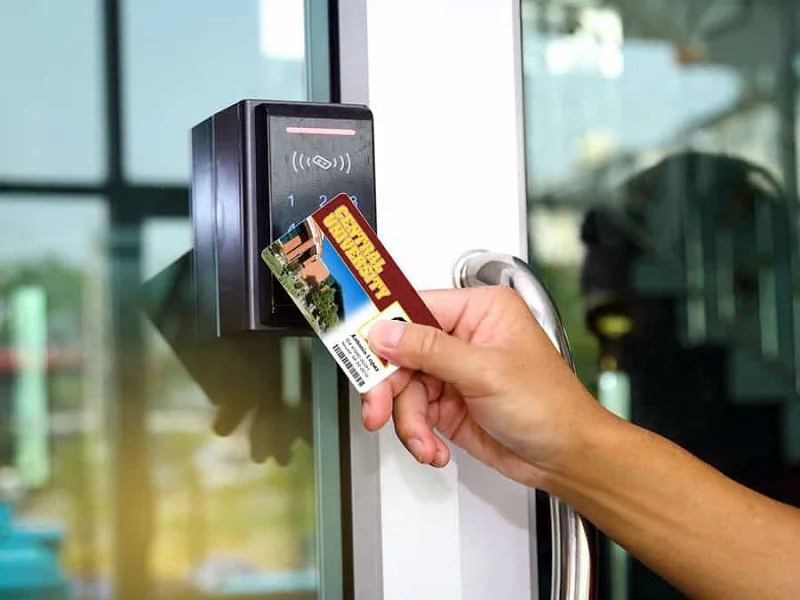
The Evolution of Access Control
From Mechanical Locks to Digital Solutions
The journey from traditional mechanical locks to sophisticated digital solutions marks a significant evolution in access control systems. Initially, physical keys were the mainstay for securing doors. However, they posed risks such as easy duplication and loss. The advent of digital technology introduced electronic locks, which provided enhanced security features, including encryption and customizable access rights.
The Rise of Smart Access Solutions
The integration of smart technologies has further revolutionized access control systems. Smart solutions offer flexibility and convenience, supporting various authentication methods such as RFID cards, mobile credentials, and biometrics. These intelligent systems can adapt to specific campus needs, providing real-time monitoring and management capabilities.
Key Components of Modern Campus Access Control Systems
Electronic Locks
Electronic locks are at the core of any access control system, allowing doors to be locked or unlocked electronically. They can be operated through multiple authentication methods, providing a secure barrier that can be easily managed and monitored from a central location.
ID Verification Systems
Identity verification is crucial in controlling access to sensitive areas. Modern systems utilize advanced ID verification methods, including smart cards and biometrics, ensuring that only authorized individuals can gain entry. This not only enhances security but also provides a log of entries and exits for further analysis.
Central Control Software
The effectiveness of an access control system largely depends on its central control software. This software acts as the brain of the system, coordinating all components and providing a user-friendly interface for administrators. It allows for the customization of access rights, scheduling of permissions, and real-time monitoring of access points.
Benefits of Implementing Access Control Systems in Campuses
Enhanced Security
The primary benefit of implementing an access control system is the significant enhancement of campus security. These systems ensure that access to buildings and rooms is restricted to authorized individuals, reducing the risk of unauthorized entry and potential security breaches.
Efficient Traffic Management
Access control systems are not only about security; they also play a crucial role in managing the flow of people within the campus. By regulating access, these systems help in preventing overcrowding and ensuring a smooth transition of individuals through various checkpoints.
Data and Insights for Better Management
Modern access control systems are equipped with data analytics features, providing valuable insights into access patterns and usage. This data can be instrumental in making informed decisions regarding campus management and security policies.
Challenges in Campus Access Control
Integration with Existing Systems
One of the significant challenges in implementing a new access control system is its integration with the existing infrastructure. Ensuring compatibility and seamless operation with current systems is essential for the success of the upgrade.
Balancing Security and Accessibility
Finding the right balance between security measures and accessibility is crucial. Overly stringent security protocols may hinder the free movement of authorized individuals, impacting the campus atmosphere and functionality.
Privacy and Data Protection
With the increasing use of digital systems, the protection of personal data and privacy has become a paramount concern. Access control systems must be designed with robust data protection measures to safeguard sensitive information.
Future Trends in Campus Access Control
Biometric Solutions
Biometric solutions, such as fingerprint and facial recognition systems, are gaining popularity due to their high security and ease of use. They provide a more personalized and secure method of verification, reducing the risk of unauthorized access through stolen credentials.
AI and Machine Learning in Access Control
The application of AI and machine learning in access control systems promises to bring about a new era of security management. These technologies can analyze patterns, predict potential security threats, and automate responses, enhancing the overall efficiency and effectiveness of the system.
Internet of Things (IoT) Integration
The integration of IoT devices with access control systems is set to redefine campus security. IoT enables a more connected and intelligent system, capable of real-time monitoring, environmental sensing, and even energy management, contributing to a smarter, safer campus.
Conclusion
As campuses continue to grow and evolve, the need for effective access control systems becomes increasingly important. By leveraging modern technology and staying abreast of emerging trends, campuses can ensure a secure and efficient environment for all. The future of campus access control looks promising, with advancements in technology paving the way for smarter, more secure systems.
FAQs
What are the basic components of a campus access control system?
The basic components include electronic locks, ID verification systems, and central control software. These elements work together to secure access points and manage the flow of people within the campus.
How do modern access control systems enhance campus security?
Modern systems utilize advanced technologies like biometrics and smart credentials, providing more secure and personalized access control. They also offer real-time monitoring and data analytics for improved security management.
What are the challenges in implementing an access control system on a campus?
Key challenges include integrating the new system with existing infrastructure, balancing security with accessibility, and ensuring privacy and data protection.
How is technology like AI and IoT shaping the future of campus access control?
AI and IoT are introducing intelligent, adaptive security measures that can analyze data, predict threats, and automate system responses, making access control more efficient and effective.
Can access control systems be integrated with other campus management systems?
Yes, modern access control systems are designed to be interoperable, allowing integration with various campus management systems for a cohesive and efficient operational framework.

I’m curious, what are the concrete steps readers should take after reading this article?