
Cabinet Push Button Lock Functions and Applications
Cabinet push button locks have become a popular solution for securing cabinets in both residential and commercial environments. These locks offer convenience, security, and a modern approach to keyless entry. But what exactly are they, and why are they so effective? In this article, we will explore everything you need to know about cabinet push button locks, their functionality, installation process, and why they are a perfect choice for enhancing security.
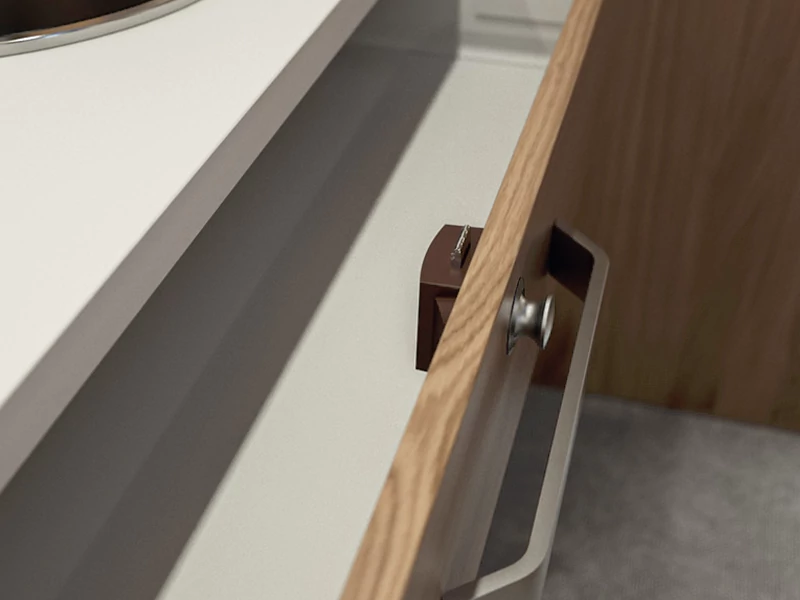
What is a Cabinet Push Button Lock?
A cabinet push button lock is a type of locking system that allows users to secure a cabinet by pressing a series of buttons in a specific combination. These locks eliminate the need for a traditional key and instead rely on a keypad for access. Cabinet push button locks are available in both mechanical and electronic models, each offering different levels of convenience and functionality.
Importance of Push Button Locks for Security
Security is essential, whether in an office, home, or industrial environment. Traditional keyed locks have their limitations, particularly when keys are lost, stolen, or duplicated without permission. Cabinet push button locks solve these issues by offering keyless entry. This not only enhances security but also reduces the risks associated with misplaced or unauthorized key usage. Push button locks ensure only authorized individuals can access the contents of the cabinet.
How Cabinet Push Button Locks Work
The Mechanics Behind Push Button Locks
Push button locks work through a simple yet effective mechanism. Each lock has a series of buttons or a keypad that needs to be pressed in a specific sequence to unlock the cabinet. When the correct combination is entered, a latch inside the lock disengages, allowing the cabinet to open. For mechanical versions, this is purely based on internal springs and pins, while electronic locks may use circuits and digital coding.
Types of Push Button Locks
There are two major types of push button locks: mechanical and electronic. Mechanical locks require no power source and use physical mechanisms to function. These are often more durable and are ideal for locations where electrical failure is a concern. On the other hand, electronic push button locks provide more advanced features like programmable codes, alarms, and sometimes even integration with access control systems. These locks usually run on batteries and may offer features like auto-locking and backlit keypads for easier use in low-light conditions.
Key Features of Cabinet Push Button Locks
Compact Design and Ease of Use
Cabinet push button locks are designed with space-saving in mind. Their compact form allows them to fit snugly into any cabinet, drawer, or locker without taking up much space. This design ensures they are not only functional but also aesthetically pleasing. Additionally, they are incredibly easy to use. A simple press of the correct button combination unlocks the cabinet, making them ideal for individuals who need frequent and quick access.
Enhanced Security Features
These locks often come with enhanced security features such as anti-tamper designs, automatic lockout after multiple failed attempts, and even audit trails (for electronic versions). Some models also allow you to change the combination regularly, adding an extra layer of security and preventing unauthorized access even if the code has been compromised.
Advantages of Using Push Button Locks for Cabinets
Convenience and Efficiency
One of the biggest advantages of using a push button lock is the convenience it offers. Since there is no need to carry a key around, you can easily gain access to your cabinets by entering a simple code. This is particularly useful in busy environments like offices or warehouses where employees frequently need access to storage. Additionally, push button locks eliminate the need for a physical key, reducing the risk of losing it or having it stolen.
Keyless Entry and User Control
Push button locks offer complete control over who can access your cabinets. By sharing the combination with trusted individuals or regularly changing it, you can ensure that only authorized users have entry. This flexibility is especially beneficial in environments where access permissions need to be changed frequently, such as in shared office spaces or multi-user environments.
Durability and Resistance to Tampering
Cabinet push button locks are built to be durable and resistant to tampering. Whether you opt for a mechanical or electronic model, these locks are engineered with high-quality materials to withstand force or tampering attempts. For example, many mechanical locks use hardened steel components, making them resistant to break-ins. Similarly, electronic locks can be programmed to sound an alarm after a certain number of incorrect code entries.
Applications of Push Button Locks
Use in Offices
In office environments, push button locks are ideal for securing filing cabinets, document storage, and lockers. Employees can easily access important files without worrying about losing keys. They also ensure that confidential documents are kept safe from unauthorized access. The flexibility of changing the combination makes it easy to maintain security as personnel change within the company.
Home Applications
At home, push button locks are great for securing medicine cabinets, personal document storage, or even valuables. They provide a simple and effective way to prevent children or unauthorized individuals from accessing items that need to be kept safe. The ease of use and ability to change the combination make them a popular choice for family homes.
Industrial and Commercial Settings
In industrial and commercial settings, cabinet push button locks are used to secure supply rooms, equipment lockers, and even retail cabinets. They provide a practical way to control access to tools, machinery, or retail stock, ensuring that only authorized personnel can gain entry. Their robust design makes them ideal for environments that require a higher level of security.
Installation Process for Push Button Cabinet Locks
Tools Required for Installation
To install a push button lock, you will typically need basic tools such as a drill, screwdriver, measuring tape, and a marking tool. Depending on the type of lock you choose, the installation process can be completed within a matter of minutes.
Step-by-Step Installation Guide
1. Measure and mark the area where the lock will be installed.
2. Drill holes for the lock mechanism based on the manufacturer's guidelines.
3. Attach the lock securely using the screws provided.
4. Test the lock to ensure it functions correctly by entering the combination.
5. Adjust and secure any additional components, such as latches or hooks.
2. Drill holes for the lock mechanism based on the manufacturer's guidelines.
3. Attach the lock securely using the screws provided.
4. Test the lock to ensure it functions correctly by entering the combination.
5. Adjust and secure any additional components, such as latches or hooks.
Maintenance and Care for Cabinet Push Button Locks
Cleaning and Lubrication
To keep your push button lock in optimal condition, it’s important to clean it regularly. For mechanical models, a small amount of lubrication on the moving parts can ensure smooth operation. Wipe down the keypad or buttons to remove any dirt or dust that might interfere with functionality.
How to Troubleshoot Common Issues
If you encounter issues with your lock, such as difficulty in entering the combination or the lock not disengaging, start by checking for obstructions around the locking mechanism. For electronic locks, ensure that the batteries are charged or replaced as needed. If problems persist, consult the manufacturer’s troubleshooting guide.
FAQs About Cabinet Push Button Locks
How long do the batteries last in electronic push button locks?
The battery life of electronic push button locks typically lasts between one to two years, depending on the frequency of usage. High-quality locks usually have low-power consumption, ensuring that you won't need to change batteries often. It’s advisable to check the battery level periodically and replace them when needed to avoid being locked out.
Can I change the combination on my push button lock?
Yes, most cabinet push button locks allow you to change the combination whenever necessary. This is especially useful in environments where multiple people require access, or in situations where security needs to be updated regularly. Instructions for changing the combination can be found in the product manual.
Are push button locks weather-resistant?
Some push button locks, particularly those designed for outdoor use, are built to be weather-resistant. These locks are made from materials that can withstand moisture, dust, and extreme temperatures. If you plan to install a lock in an outdoor location, check the manufacturer’s specifications to ensure it’s suitable for outdoor conditions.
What should I do if I forget my combination?
If you forget your combination, most locks offer a reset option. For mechanical models, this may require contacting the manufacturer for a master key or a reset tool. Electronic locks often have a master reset code or instructions on how to regain access. Always refer to the manufacturer's manual for guidance on resetting the lock.
Can I install a push button lock on any cabinet?
Yes, push button locks can be installed on a wide variety of cabinets. However, you should ensure that the lock size and design match the cabinet’s specifications. Some locks are specifically designed for metal cabinets, while others may work better on wooden or composite materials. Be sure to choose a lock that is compatible with your cabinet type.
