
Best Electronic Door Locks for Homes
In today's world, where security is more important than ever, the traditional locks are being replaced by electronic door locks in many homes. These devices offer not only enhanced security but also unprecedented convenience, making them an increasingly popular choice among homeowners. This article delves into the various aspects of electronic door locks, helping you understand why they might be the smartest upgrade for your home security system.
What Are Electronic Door Locks?
Electronic door locks are advanced mechanisms that secure your doors using electronic components instead of traditional mechanical tumblers. Operated through various means such as keypads, smartphone apps, or biometrics, these locks can offer features such as remote locking/unlocking, timed access, and event logs. The primary appeal lies in their ability to enhance security while offering a level of convenience that traditional locks cannot match.
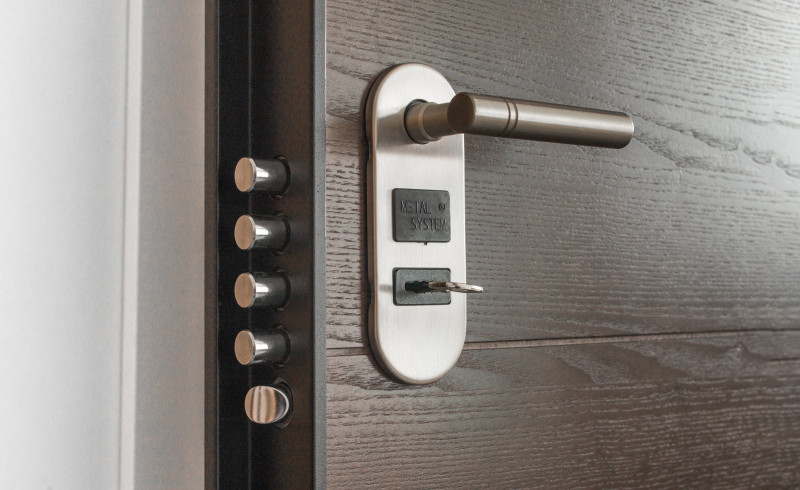
Types of Electronic Door Locks
There are several key types of electronic door locks: Keypad locks, which require a numeric code for entry; biometric locks, which use unique identifiers like fingerprints; and remote control locks, which can be operated via a smartphone app or even a remote fob. Each type has its advantages depending on the user’s specific needs and lifestyle.
Advantages of Electronic Door Locks
The shift from traditional locks to electronic door locks comes with numerous benefits. Enhanced security features like customizable access codes that can be assigned and revoked as needed provide a significant security upgrade. Furthermore, features like audit trails, which record who enters and when, add an extra layer of security and accountability not possible with conventional locks.
Security Features
Modern electronic locks come equipped with features such as auto-locking, where doors automatically secure themselves after closing, and access controls that allow owners to set who can access different areas of the home at various times.
Convenience Features
The convenience of being able to control your door locks remotely cannot be overstated. Whether it’s letting in a visitor while you’re away from home or checking if the doors are locked from your bed, these features make life easier and safer.
Choosing the Right Electronic Door Lock
When choosing an electronic door lock, several factors should be considered to find the right fit for your home. These include the level of security the lock provides, its compatibility with other smart home devices, ease of installation, and whether it meets your personal needs for convenience and safety.
Considerations for Purchase
It’s important to evaluate the lock’s features, such as the method of access it offers and its compatibility with your home’s doors and existing systems. Budget also plays a critical role, as electronic locks can vary widely in price.
Top Picks for Home Electronic Door Locks
The market offers a range of electronic door locks that cater to different preferences and security needs. Below, we review three top choices to consider based on overall functionality, budget-friendliness, and compatibility with smart home systems.
Best Overall
The [Model Name] lock is renowned for its robust security measures, user-friendly interface, and excellent reliability, making it the top recommendation for most homeowners.
Best Budget
For those looking for an affordable option without compromising on essential features, the [Model Name] offers a practical solution with easy installation and basic smart features.
Best for Smart Homes
The [Model Name] is the best choice for those with integrated smart home systems, offering advanced connectivity options like Wi-Fi and Bluetooth, voice control through AI assistants, and seamless integration with home automation systems.
Maintenance and Troubleshooting
Maintaining electronic door locks is generally straightforward. Regular updates and battery checks can ensure your lock continues to function effectively. However, it’s also important to be aware of common issues such as battery failure or connectivity problems and know how to address them.
Regular Maintenance
Simple routine checks and maintenance can greatly extend the life and performance of your electronic door lock. This includes cleaning the hardware, checking for firmware updates, and replacing batteries as needed.
Common Issues and Fixes
Occasionally, users might encounter issues such as unresponsive keypads or connectivity issues with their smartphone app. Usually, these can be resolved with basic troubleshooting steps like rebooting the device or reinstalling the app.
Conclusion
Electronic door locks offer significant advantages over traditional locks, providing enhanced security, increased convenience, and integration with modern technology. Choosing the right lock for your home can help you not only secure your property but also streamline your daily routine.
FAQs
1. How secure are electronic door locks compared to traditional locks?
Electronic door locks offer higher security levels due to advanced features such as encryption and audit trails, which are not available in traditional locks.
Electronic door locks offer higher security levels due to advanced features such as encryption and audit trails, which are not available in traditional locks.
2. Can electronic door locks be hacked?
While hacking is a risk for any electronic device, modern electronic locks are equipped with multiple security layers, including advanced encryption, to minimize this risk.
While hacking is a risk for any electronic device, modern electronic locks are equipped with multiple security layers, including advanced encryption, to minimize this risk.
3. What happens if the batteries die?
Most electronic locks alert users when batteries are low. Many also have a key override or external battery contacts to ensure access is maintained.
Most electronic locks alert users when batteries are low. Many also have a key override or external battery contacts to ensure access is maintained.
4. Can I install an electronic door lock myself?
Many electronic locks are designed for DIY installation, but some may require professional installation depending on their complexity and integration with other systems.
Many electronic locks are designed for DIY installation, but some may require professional installation depending on their complexity and integration with other systems.
5. How do electronic locks handle multiple users?
Electronic locks typically allow multiple users to have unique access codes, and admins can usually monitor and manage access as needed.
Electronic locks typically allow multiple users to have unique access codes, and admins can usually monitor and manage access as needed.
