
Electronic Key Lock: A Comprehensive Guide to Modern Security
Introduction
In an era where security is paramount, electronic key locks have emerged as an innovative solution for protecting homes, businesses, and industries. These locks replace traditional keys with digital access methods, enhancing both security and convenience. With increasing reliance on smart technology, electronic key locks are becoming an essential component of modern security systems. They eliminate the risks associated with lost or duplicated physical keys and provide advanced features such as remote access, biometric authentication, and integration with smart home systems.
How Electronic Key Locks Work
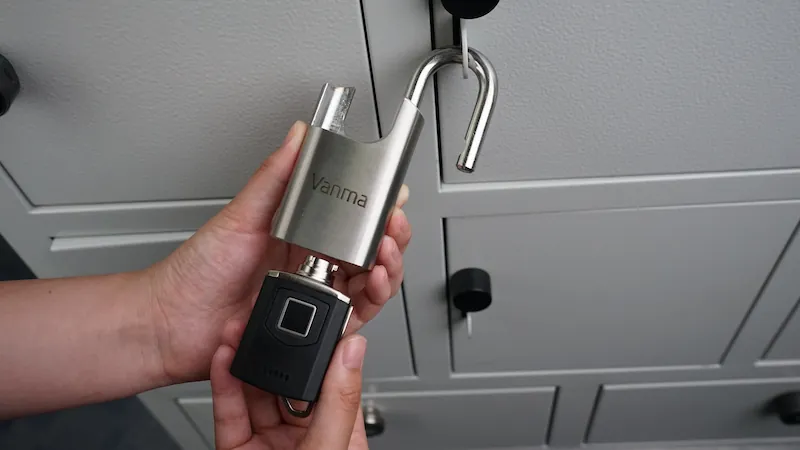
Electronic key locks function through digital authentication rather than physical keys. They rely on various access mechanisms, including keypads, RFID cards, biometric scans, and smart connectivity. These locks often have multiple authentication layers, making unauthorized access significantly more difficult compared to traditional locks. Most electronic key locks are powered by batteries, with backup power options available to prevent lockouts. Some models also feature real-time access logs, enabling users to monitor entry attempts and enhance security oversight.
Types of Electronic Key Locks
Keypad-Based Locks
These locks require users to enter a PIN code on a keypad to gain entry. They are a cost-effective and widely used option in residential and commercial settings. Advanced models support multiple PIN codes, allowing different users to have personalized access credentials.
RFID Electronic Locks
Using RFID cards or fobs, these locks are common in hotels, office buildings, and secure facilities. Users simply tap their RFID credential on the lock to gain access. This system is highly convenient and allows administrators to manage access remotely.
Biometric Electronic Locks
These high-security locks rely on fingerprint, facial recognition, or even retina scanning for authentication. They are commonly found in high-security environments such as research facilities, banks, and government buildings. Their main advantage is that biometric credentials cannot be lost or duplicated.
Smart Locks with Mobile Connectivity
Smart locks connect to smartphones via Wi-Fi, Bluetooth, or Zigbee, allowing users to control access remotely. Many models integrate with home automation systems and provide real-time notifications whenever the lock is accessed. This makes them ideal for smart homes and rental properties.
Advantages of Using an Electronic Key Lock
Electronic key locks offer several benefits that traditional locks cannot match. They enhance security by eliminating the need for physical keys, which can be lost, stolen, or duplicated. Many electronic locks provide remote access, allowing users to grant or revoke access without being physically present. Additionally, they offer audit trails, making it easy to track entry history for security monitoring. Smart locks can also integrate with alarm systems, providing an extra layer of protection against intrusions.
FAQs
Are electronic key locks safe from hacking?
While advanced encryption protects electronic locks, they are still susceptible to cyber threats. To enhance security, users should regularly update their firmware, use strong PIN codes, and enable two-factor authentication if available.
What happens if the electronic lock’s battery dies?
Most electronic locks provide backup power solutions, such as physical keys, emergency battery packs, or external power connectors. Users should monitor battery levels and replace them periodically to avoid lockouts.
Can electronic key locks be installed on any door?
Yes, electronic key locks can be installed on most doors. However, compatibility depends on the door’s thickness, material, and existing lock mechanisms. Some may require minor modifications for proper installation.
Do electronic key locks work during a power outage?
Battery-powered electronic locks function independently of the power grid, so they continue working during power outages. However, Wi-Fi-enabled smart locks may lose remote access capabilities until power is restored.
How often should I update my lock’s firmware?
Regular updates are recommended to fix security vulnerabilities and improve performance. Manufacturers often release updates to patch potential threats and enhance overall security features.
