Key Points of Physical Telecommunications Security for Enhanced Protection
Introduction to Physical Telecommunications Security
In today’s digital age, Physical Telecommunications Security is crucial for safeguarding the infrastructure that powers our communication systems. As global reliance on telecommunications increases, protecting physical assets such as base stations, data centers, and communication equipment has never been more critical. According to the International Telecommunication Union (ITU), telecommunications networks are increasingly becoming targets for physical attacks, which can result in service disruptions and substantial financial losses. The ITU emphasizes the need for comprehensive security measures to protect these infrastructures.
Importance of Physical Telecommunications Security in Telecom Infrastructure
Physical Telecommunications Security is the foundation of any telecom network’s resilience. Telecom sites, ranging from remote base stations to bustling data centers, need to be protected against a variety of threats. With the increasing deployment of technologies like 5G and the IoT (Internet of Things), physical assets are now prime targets for malicious activities.
Telecommunications companies are tasked with securing these assets in ways that minimize operational disruptions. A breach in physical security can not only lead to costly repairs but can also expose sensitive data to unauthorized entities, resulting in a loss of trust and reputational damage.
Key risks associated with weak Physical Telecommunications Security include:

Unauthorized Access
Hackers or intruders gaining access to telecom sites and equipment can disrupt services or steal valuable data.

Vandalism and Sabotage
Telecom equipment is often a target for vandalism, leading to expensive repairs and service outages.

Natural Disasters and Environmental Hazards
Extreme weather conditions, such as floods and storms, can damage telecom infrastructure if not properly secured.
Core Components of Physical Telecommunications Security

Physical perimeter barriers
Physical perimeter barriers—such as high-strength steel fencing, anti-climb mesh, and reinforced concrete walls—serve as the first line of defense in Physical Telecommunications Security. By encircling sensitive zones like data centers, equipment rooms, and control centers, these barriers prevent unauthorized personnel from physically approaching critical infrastructure. Modern fence systems can be augmented with vibration sensors, infrared beams, and electrified pulse wires to detect and deter climbing, cutting, or breaching attempts in real time, ensuring that only authorized individuals gain physical access.

Surveillance and Monitoring
Real-time surveillance is crucial for detecting any potential security breaches. CCTV cameras, motion detectors, and alarm systems help telecom operators monitor key sites around the clock. When combined with access control systems, surveillance provides a comprehensive security network that ensures immediate action can be taken if a breach occurs.

Locking Systems
Traditional locks have limited security features, especially when it comes to preventing tampering or unauthorized access. Modern electronic locks have taken Physical Telecommunications Security to the next level by providing robust encryption and remote monitoring capabilities. Vanma’s passive electronic locks offer a secure, energy-efficient solution for telecom infrastructure, ensuring that only authorized personnel can gain access to critical equipment.
Vanma Lock System in Physical Telecommunications Security
Vanma Lock systems offer an innovative approach to Physical Telecommunications Security, addressing the specific challenges faced by telecom operators in securing remote and hard-to-reach locations. Vanma’s locks are designed to provide high levels of security while reducing operational costs and minimizing maintenance.
AES256-bit Encryption for Secure Communications
Weather Resistance and Durability
Many telecom sites are exposed to harsh environmental conditions, making durability a top priority. Vanma locks are built to withstand extreme temperatures, rain, dust, and other environmental factors. With an IP68 rating, these locks are waterproof, dustproof, and can operate in temperatures ranging from -40°C to +70°C. This makes them ideal for both indoor and outdoor telecom equipment, from base stations to fiber-optic distribution cabinets.
No Need for External Power
One of the most significant advantages of Vanma’s passive electronic locks is that they do not require external power sources. These locks are powered by the Vanma electronic keys, eliminating the need for complex wiring and reducing maintenance requirements. This feature is particularly beneficial for remote telecom sites where providing a reliable power supply is challenging.
Real-Time Access Monitoring and Audit Trails
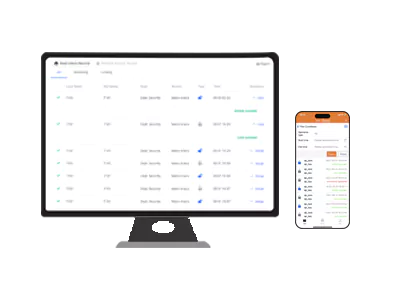
Every lock action is recorded in real-time, providing audit trails that track who accessed the lock, when, and for how long. These logs are essential for compliance, allowing telecom operators to verify that only authorized personnel are gaining access to sensitive areas. The Vanma Lock system offers an integrated software solution that generates these reports and helps telecom companies monitor and control their infrastructure effectively.
Key Applications of Physical Telecommunications Security
Vanma’s locking solutions are designed to address specific security needs across various telecom sites. Here are a few key applications:
Base Stations and Telecom Shelters
Telecom base stations and shelters are often located in remote areas and require extra security measures. Vanma’s passive electronic locks offer a reliable solution to prevent unauthorized access, ensuring that only authorized personnel can perform maintenance or service the equipment. This helps prevent theft, vandalism, and tampering.
Communication Cabinets and Fiber-Optic Equipment
Communication cabinets housing telecom equipment, including routers, servers, and switches, need robust security. Vanma locks provide secure, scalable access control, ensuring only authorized technicians can open these cabinets. This level of Physical Telecommunications Security is crucial for preventing unauthorized tampering and securing valuable equipment.
Best Practices for Implementing Physical Telecommunications Security
Implementing Physical Telecommunications Security requires a proactive approach that includes both technological solutions and best practices. Here are some key strategies:
- Layered Security Approach
A comprehensive Physical Telecommunications Security strategy integrates multiple layers of protection, including physical barriers, access control systems, surveillance, and smart locking systems. This multi-layered approach ensures that even if one security measure fails, others will still be in place to protect telecom infrastructure. - Routine Audits and Monitoring
Regular audits are essential to ensure that security measures are working effectively and identifying any potential vulnerabilities. Surveillance systems, combined with access logs from Vanma locks, allow telecom companies to monitor their infrastructure in real-time. - Employee and Contractor Management
Clear access levels and defined roles for employees and contractors help prevent internal security breaches. By restricting access based on job functions, telecom companies can further strengthen Physical Telecommunications Security.
With remote access for temporary tasks, integration with surveillance systems, and detailed audit logs, Vanma locks offer a comprehensive security solution that keeps your factory protected, even when employees are away for the holidays.
Challenges in Physical Telecommunications Security and How Vanma Locks Address Them
While traditional security methods like mechanical locks have been effective in some settings, they often fall short when applied to modern telecom infrastructure. Vanma’s passive electronic locks provide a solution that addresses several challenges, such as:
- Key Management Challenges
Traditional key management can lead to security risks, such as lost keys or unauthorized access. Vanma’s electronic key system enables centralized key management, tracking, and secure access control, significantly reducing the risk of unauthorized entry. - Security Breaches Due to Mismanagement
Mismanagement of physical locks can result in unauthorized access. Vanma locks offer real-time monitoring and audit trails, making it easier for telecom companies to track and manage access events efficiently.
Future Trends in Physical Telecommunications Security
As telecom infrastructure evolves, so do the challenges and opportunities for Physical Telecommunications Security. Some trends to watch include:
- Integration with IoT and AI
With the rise of the Internet of Things (IoT) and artificial intelligence (AI), telecom companies will be able to integrate smart systems into their security infrastructure. This will allow for real-time data monitoring, automated threat detection, and enhanced security analytics. - Blockchain for Enhanced Security
Blockchain technology is being explored for securing access logs and preventing tampering with data. By using blockchain to verify access, telecom operators can ensure that security records are immutable and transparent.
Share:
Table of Contents
Try Vanma Electronic Lock
You can contact us to request samples, and to experience the convenience of Vanma electronic locks.
Contact Us NowChoose A Trusted Access Control Manufacturer for
Reliable Solutions
As a professional manufacturer of access control systems and electronic locks, Vanma offers high-quality solutions to protect your premises and assets. Contact us by filling out the form below to receive professional consultation and support.