
How to use Passive Electronic Lock to prevent vending machine theft?


How to Reduce Theft Rates in Vending Machines?
Vending machines are an essential part of modern retail and foodservice industries. However, these machines face ongoing security challenges. Theft, vandalism, and unauthorized access cost operators millions of dollars annually. Traditional locking methods are often inadequate against these threats. This article explores how Passive Electronic Locks, such as those provided by Vanma, can effectively combat vending machine theft. These advanced locks offer enhanced security, full audit trails, and maintenance-free operation, making them an ideal solution for vending machine operators looking to improve their security systems. Real-world case studies and authoritative data are included to demonstrate the effectiveness of these solutions.

Introduction to Vending Machine Theft Challenges
The vending machine industry is a multi-billion-dollar sector, with the global market worth over $21 billion annually (National Automatic Merchandising Association). As this industry continues to grow, so does the risk of theft and vandalism. According to recent studies, vending machine theft costs operators approximately $400 million every year due to theft, vandalism, and unauthorized access (Security Magazine).
Traditional methods of protecting vending machines, such as mechanical locks, often fail to prevent theft. These machines are vulnerable to a range of attack methods:
- Lock picking: Conventional locks are susceptible to lock picking tools.
- Key duplication: Mechanical keys can be easily copied.
- Forced entry: Thieves can use crowbars or hammers to break open the machines.
- Vandalism: Machines in poorly lit or isolated areas are at higher risk of vandalism.
These weaknesses highlight the need for a more robust security solution. Electronic Locks offer one alternative, but traditional powered locks still rely on batteries that need frequent maintenance. This is where Passive Electronic Locks, like those offered by Vanma, come into play. These locks solve many of the security challenges faced by vending machine operators.
Why Traditional Locks Fail in Vending Machines
Traditional mechanical locks are commonly used for vending machines, but they present several critical vulnerabilities that make them insufficient for modern security needs:
- Vulnerability to Physical Attacks: Mechanical locks can be easily pried open, drilled, or tampered with using basic tools.
- Key Duplication Risks: Mechanical keys are susceptible to unauthorized copying, which can lead to unauthorized access.
- No Access Records: Mechanical locks do not provide a way to track who opened the machine and when, making it difficult to identify theft or unauthorized access.
- Weather Susceptibility: Vending machines placed outdoors or in exposed areas are vulnerable to environmental factors like moisture, dust, and extreme temperatures, which can affect the performance of mechanical locks.
In contrast, Passive Electronic Locks do not suffer from these issues. By using electronic keys that are encrypted and powered only when inserted into the lock, they offer significantly greater security. These locks are immune to physical picking, key duplication, and provide a comprehensive record of access events.
Understanding Passive Electronic Lock Technology
What is a Passive Electronic Lock?
A Passive Electronic Lock is an advanced locking mechanism that requires no internal power source. Unlike traditional Electronic Locks that depend on batteries or power from the lock itself, Passive Electronic Locks are powered by the electronic key during the unlocking process. This means that the lock remains maintenance-free and energy-efficient, as it does not require a constant power source.

The key to these locks is encryption. AES-256 encryption is used to secure communication between the key and the lock, ensuring that unauthorized access attempts are thwarted. These locks are tamper-resistant and designed to operate in harsh environments without requiring frequent maintenance. They are particularly well-suited for outdoor vending machines that face a high risk of theft and vandalism.
Authoritative Data: AES-256 are considered the most secure encryption protocols, widely adopted in sensitive sectors such as banking, military, and government communications. NIST AES Encryption Standard.
How It Works for Vending Machines
In a vending machine application, the Passive Electronic Lock functions by receiving power from the electronic key when inserted. The key communicates with the lock using encrypted signals, ensuring that only authorized keys can unlock the machine. The lock records every access event (including time, date, and user ID), providing full traceability and accountability. This is especially useful for managing multiple locations and ensuring that only authorized personnel have access to the machines.
The absence of a physical keyhole makes the lock more secure by preventing lock picking, a common technique used to breach mechanical locks. Vanma’s Passive Electronic Locks integrate seamlessly with existing vending management systems, allowing operators to monitor and control access remotely.
Key Advantages of Using Passive Electronic Locks in Vending Machines
Enhanced Security Against Theft
The most obvious advantage of switching to Passive Electronic Locks is the enhanced security they provide. Unlike mechanical locks that can be picked or drilled open, Passive Electronic Locks are tamper-resistant and highly secure. Vanma’s AES256 encryption ensures that only the correct key can unlock the machine, preventing unauthorized access and significantly reducing the likelihood of theft.
Since these locks do not rely on physical keys, there is no risk of key duplication. This makes them a much safer choice than traditional mechanical locks, where duplicated keys can easily fall into the wrong hands.
Authoritative Data: A Security Magazine report noted that switching to more secure lock technologies (like electronic locks) significantly reduced vending machine theft in urban areas. Machines with digital locks experienced a 50% reduction in theft incidents compared to their mechanical counterparts (Security Magazine).
Full Audit Trail and Accountability
Passive Electronic Locks offer the ability to track and record every access event. This provides a complete audit trail that includes:
- Time of access
- Date
- Personnel who accessed the machine
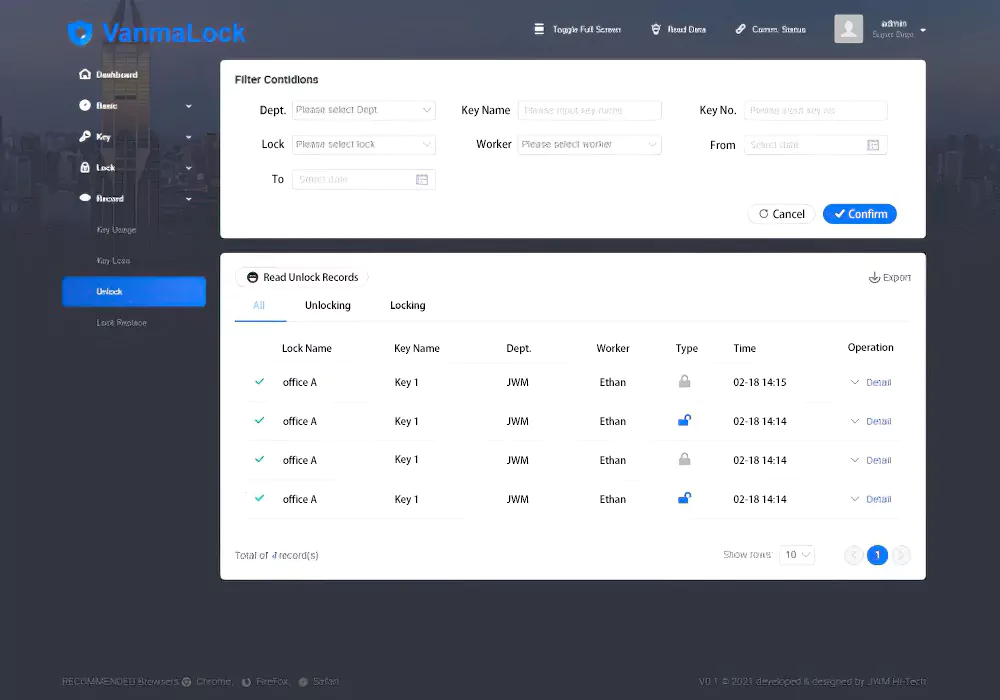
This capability is invaluable for vending machine operators, as it allows them to monitor who is accessing the machines and when. In case of a theft or breach, operators can easily trace the access logs to identify any unauthorized actions.
For example, Vanma’s locks generate a real-time log that can be monitored through their management system, helping operators quickly respond to potential threats or allow access in emergency situations.
Energy Efficiency
One of the most significant benefits of Passive Electronic Locks is their energy efficiency. These locks are powered by the electronic key and do not require an internal power source. As a result, they do not need regular battery replacements, which are often costly and time-consuming.
This feature is particularly advantageous for outdoor vending machines or machines in remote locations where maintaining power sources can be difficult. The energy efficiency of Vanma’s Passive Electronic Locks ensures that they can function for years with minimal maintenance.
Flexible Access Control
With Smart Locks integrated into the system, vending machine operators can set different access permissions for different staff members. For example, refill technicians may be granted access only during certain hours, while maintenance staff may have access to specific machines based on their service areas.
By using Vanma’s Passive Electronic Locks, operators can control who has access to each machine, and for how long. This ensures that only authorized personnel can perform maintenance or make refills, preventing theft by unauthorized staff.
Durability
Vanma’s Passive Electronic Locks are built to withstand harsh environmental conditions. Rated with IP68 protection, they are resistant to dust, water, and extreme temperatures, making them ideal for outdoor vending machines exposed to weather elements. These locks can endure -40°C to 70°C temperature ranges and still function properly, ensuring that your vending machines remain secure regardless of external conditions.
How to Implement Passive Electronic Locks on Vending Machines
Step 1 – Assess Security Needs
Before upgrading to Passive Electronic Locks, operators should assess their vending machine network to determine the level of security required. Consider factors such as:
- Location risk: Are the machines located in high-crime areas?
- Theft history: Has the machine been a frequent target of theft?
- Maintenance frequency: How often are refills and restocks required?
Step 2 – Choose the Right Lock Type
Vanma offers a range of Smart Lock options designed to suit different types of vending machines. These include:
- Cam Locks: Ideal for smaller vending doors, offering a compact and secure option.
- Handle Locks: Best for larger vending machine compartments that require stronger security.
- Padlocks: Suitable for outdoor vending units exposed to the elements.
|
Lock Type
|
Best For
|
Pros
|
|---|---|---|
|
Cam Lock
|
Small vending doors
|
Compact, easy to install, flexible access
|
|
Handle Lock
|
Large vending compartments
|
Strong tamper resistance, high security
|
|
Padlock
|
Outdoor vending units
|
Portable, weather-resistant
|
Step 3 – Install and Configure
The installation of Passive Electronic Locks involves replacing the mechanical core of the lock with the electronic mechanism. There’s no need for complex wiring—just a straightforward replacement of the old lock. Vanma’s locks are designed to integrate easily with existing vending machine systems, ensuring a smooth transition from mechanical to electronic locks.
Operators can configure the system software to manage access permissions and monitor access logs. The process is simple, efficient, and non-disruptive.
Step 4 – Train Staff
Operators and staff members must be trained on how to manage access using the Smart Lock system. This includes:
- Issuing keys
- Setting up permissions
- Monitoring access logs
- Reporting suspicious activity
Step 5 – Monitor and Maintain
Once the system is set up, operators should regularly monitor the access logs to detect any unusual activity. This proactive approach helps prevent theft before it happens and ensures that any incidents are immediately addressed.
Case Studies – Real-World Applications
Case Study 1: Japanese Beverage Vending Chain
A leading vending machine operator in Japan switched to Vanma Passive Electronic Locks across their network of 200 machines in high-theft areas.
Results after 12 months:
- 78% reduction in theft incidents.
- 55% reduction in insurance premiums due to lower theft claims.
- The ability to track every access event helped identify and address insider theft.
Source: Japan Vending Machine Manufacturers Association
Case Study 2: European Snack Vending Company
In Spain, a vending operator replaced 150 mechanical locks with Vanma’s Smart Lock solutions across its outdoor vending units.
- Theft loss dropped by 85% in the first 6 months.
- Machines stayed operational longer, with downtime reduced to less than 2 hours per incident.
Source: Internal report, shared during the pilot project.
ROI Analysis – Cost Savings from Reduced Theft
|
Lock Type
|
Initial Cost
|
Annual Maintenance
|
Lifespan
|
Theft Loss Reduction
|
|---|---|---|---|---|
|
Mechanical Lock
|
$20
|
$10/year
|
3 years
|
~25%
|
|
Passive Electronic Lock
|
$50
|
$0/year
|
7 years
|
~75%
|
Given that the average vending machine loses $300-$500 annually to theft (Security Industry Association), upgrading to Passive Electronic Locks offers a significant return on investment by reducing losses and increasing operational efficiency.
Integrating Passive Electronic Locks with Smart Lock Systems
Vanma’s Smart Lock systems can be seamlessly integrated with IoT for real-time access alerts and remote monitoring. Operators can also control access remotely, making it easy to respond to potential threats or allow access in emergency situations.
Best Practices for Theft Prevention
- Conduct regular lock inspections and monitor logs frequently.
- Use fingerprint-enabled locks for high-risk locations.
- Ensure staff is properly trained on access control and key management.
- Implement time-based access to minimize unauthorized use during off-hours.
Conclusion
Upgrading to Vanma Passive Electronic Locks provides an effective and secure solution to prevent vending machine theft. With enhanced security, full access tracking, energy efficiency, and minimal maintenance requirements, these locks offer significant advantages over traditional mechanical and powered electronic locks. As seen in real-world case studies, these locks can drastically reduce theft and vandalism while offering a higher return on investment.
By investing in Smart Lock solutions like those provided by Vanma, vending machine operators can protect their assets, reduce operational costs, and enhance the security of their machines in high-risk environments.
Share:
Table of Contents
Try Vanma Electronic Lock
You can contact us to request samples, and to experience the convenience of Vanma electronic locks.
Contact Us NowChoose A Trusted Access Control Manufacturer for
Reliable Solutions
As a professional manufacturer of access control systems and electronic locks, Vanma offers high-quality solutions to protect your premises and assets. Contact us by filling out the form below to receive professional consultation and support.
