
How to Install a Lock on a Cabinet: A Step-by-Step Guide
Introduction
Securing your cabinets is crucial whether you're looking to protect valuable items or simply ensure privacy. Cabinet locks come in different forms, from basic keyed locks to high-tech digital locks. Each type has its benefits, and knowing how to properly install a lock can make a huge difference in its functionality and security. In this guide, we’ll show you exactly how to install a lock on your cabinet to keep your belongings safe and sound.
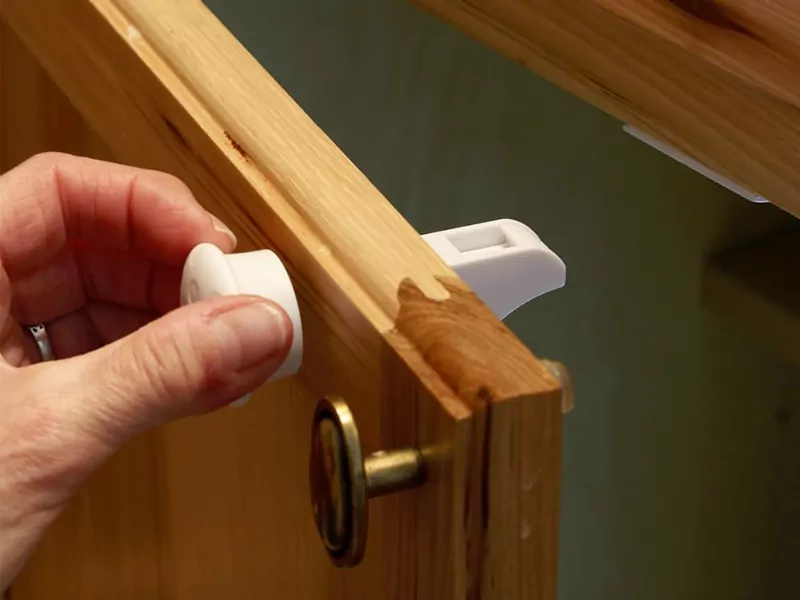
Choosing the Right Lock for Your Cabinet
The first step in securing your cabinet is selecting the right type of lock. Different locks offer different levels of security, and choosing the wrong one could undermine your efforts. Here are some options to consider:
- Keyed Locks: These traditional locks are simple and reliable, requiring a key to unlock. They are typically installed in cabinets used for storing sensitive or valuable items.
- Combination Locks: This type of lock requires a numerical or alphanumeric code. It's useful if you need to share access with multiple people while keeping the security tight.
- Electronic Locks: These locks are more advanced and require a PIN code, keycard, or biometric data to open. They are perfect for high-security cabinets where ease of access and automation are prioritized.
Tools and Materials You’ll Need
Before you begin, it’s important to gather all the necessary tools. Here’s a list of the basic tools required for the lock installation process:
- Drill (with appropriate drill bit for the lock)
- Screwdriver
- Measuring tape or ruler
- Pencil or marker for marking drill points
- The lock of your choice (keyed, combination, or electronic)
Step-by-Step Guide: How to Install a Lock on a Cabinet
Installing a lock on a cabinet is a relatively simple process that requires patience and accuracy. Follow these steps to successfully install a lock:
- Prepare the Cabinet: Begin by removing any contents from inside the cabinet. This ensures that you won’t accidentally damage anything during the installation process and that there’s clear access to the area where you’ll be installing the lock.
- Mark the Spot for the Lock: Use a measuring tape to find the perfect position for the lock. Typically, this would be on the door of the cabinet. Mark the spot lightly with a pencil so that you can make adjustments if needed.
- Drill the Holes: Once you’ve marked the spot, it’s time to drill the holes for the lock. Use a drill bit that matches the size of the lock you’re installing. Drill slowly to avoid damaging the cabinet. Take your time, as precise holes ensure the lock fits perfectly.
- Install the Lock: Insert the lock into the holes you drilled. Secure the lock by screwing it into place. If the lock uses a bolt mechanism, tighten it properly to ensure it’s securely attached. For electronic locks, follow the manufacturer’s installation instructions closely to avoid any mistakes.
- Test the Lock: After installation, it’s important to test the lock to ensure it works properly. Lock and unlock it several times to confirm that the mechanism is smooth and doesn’t jam or malfunction. If there are any issues, troubleshoot by checking the screws and the alignment of the lock.
Tips for Proper Lock Installation
To ensure your lock stays secure and operates correctly, here are a few tips to keep in mind:
- Ensure a Secure Fit: Double-check that the lock is firmly in place and doesn’t wobble. A loose lock can be easily tampered with and may not provide adequate security.
- Take Your Time: Don’t rush through the installation. Drilling and securing the lock properly requires focus and patience.
- Choose the Right Drill Bit: Always use the correct drill bit size to avoid making holes that are too big or too small for your lock.
Maintaining Your Cabinet Lock
After installation, maintaining your lock is key to ensuring long-term security. Regular maintenance includes:
- Lubricating the Lock: Periodically lubricate the lock mechanism with a graphite pencil or lock lubricant to keep it operating smoothly.
- Inspecting for Wear and Tear: Over time, locks can wear out or become damaged. Regularly inspect your lock and replace any components that show signs of damage.
- Fixing Malfunctions: If the lock becomes jammed, try cleaning out the keyhole or checking for debris that could be causing issues.
Conclusion
Installing a lock on your cabinet is a simple yet highly effective way to secure your belongings. By following the steps outlined above, you’ll ensure a smooth installation process and long-lasting security. Whether you need a traditional keyed lock or a modern electronic option, taking the time to choose and install the right lock will give you peace of mind knowing that your cabinet is safely secured.
FAQs
What is the best type of lock for a wooden cabinet?
The best type of lock for a wooden cabinet is typically a keyed or combination lock. Keyed locks are reliable and offer a secure solution for most home environments, while combination locks offer the added benefit of not needing a physical key.
How do I choose between a keyed and combination lock?
A keyed lock is ideal if you prefer a traditional, straightforward solution with a key for access. A combination lock is better if you want to eliminate the need for physical keys, especially in shared spaces where multiple people may need access.
Can I install a lock on any cabinet?
Yes, you can install a lock on most types of cabinets, including wooden and metal ones. Just ensure the lock is compatible with the material and that you follow the correct installation procedure.
How do I fix a jammed cabinet lock?
If your cabinet lock is jammed, you can try lubricating it with a lock lubricant or graphite pencil. If the lock mechanism is still stuck, check for any misalignments or obstructions and make sure the screws are tightened properly.
How do I ensure my lock is secure?
To ensure your lock is secure, make sure it’s installed tightly and is functioning properly. Regularly inspect and maintain the lock, checking for wear or damage. Additionally, using a high-quality lock will give you added confidence in its security.
