How Passive Electronic Locks Strengthen Railway Electrical Equipment Security
In late November 2025, a railway accident in Yunnan Province, China, placed renewed focus on how maintenance activities are controlled within active rail networks. According to coverage from multiple established media outlets, a test train entered a maintenance section during a scheduled track testing task and struck workers who were still present on site. The incident resulted in 11 deaths and multiple injuries, prompting wider discussion about how access to critical railway environments is managed and whether more controlled mechanisms, such as a passive electronic lock, could help prevent unauthorized or premature access during sensitive maintenance and testing operations.prompting wider discussion about how access to critical railway environments is managed and whether more controlled mechanisms, such as passive electronic locks, could help prevent unauthorized or premature access during sensitive maintenance and testing operations.
Information released through official channels showed that the train was allowed to proceed before the maintenance area had been fully cleared. Although the work followed an approved inspection and testing plan, essential confirmation steps were not completed. As a result, train movement and human activity occurred within the same controlled section of track.
Early findings did not point to faults in rolling stock or signaling hardware. Instead, investigators focused on procedural breakdowns and access discipline, including:
- Incomplete verification that all personnel had exited the work zone
- Misalignment between testing schedules and on-site execution
- Limited enforcement over who was permitted to remain in restricted areas during testing periods
Railway maintenance environments allow little tolerance for ambiguity. When people and trains are present in the same space without absolute separation, risk escalates immediately. This incident illustrated how small coordination failures can carry severe consequences.
In addition to the loss of life, the accident led to service disruptions, regulatory scrutiny, and extended investigations. More broadly, it reflected a recurring pattern seen across infrastructure operations: safety incidents often trace back to basic control failures, not advanced technical defects. Who can access critical assets, when they can do so, and under whose authority remains a fundamental issue.
This makes railway electrical and signaling equipment a natural point of reassessment.
Why Railway Electrical Departments Face Higher Exposure
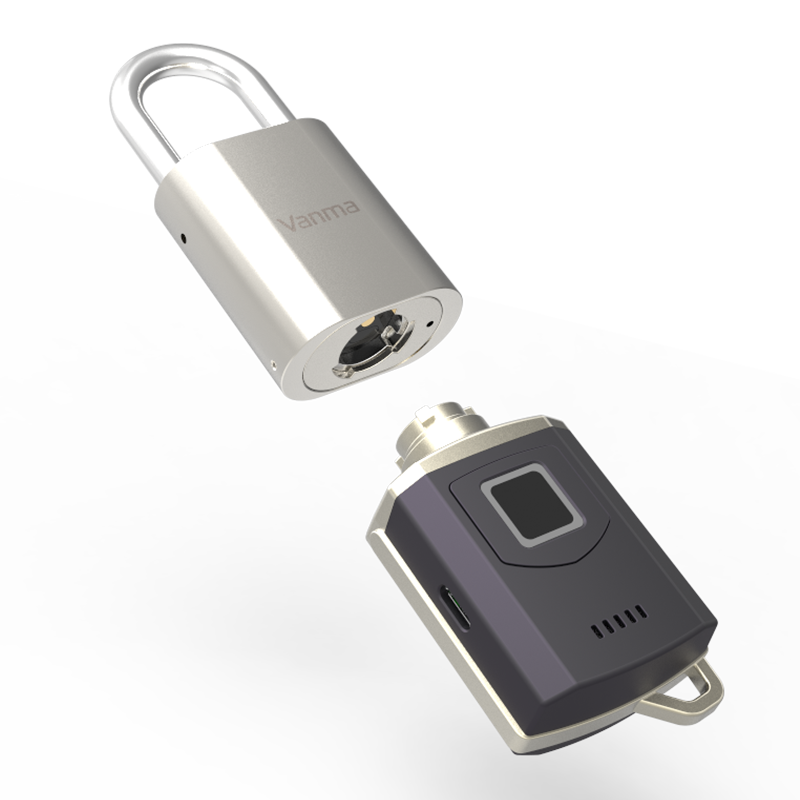
- No batteries inside the lock body
- Stable performance in outdoor and high-vibration locations
- Identity-based authorization instead of physical key matching
- Automatic logging of access activity
How Vanma Passive Electronic Locks Are Used in Railway Environments

Individual Access Instead of Shared Keys
Each electronic key is assigned to a specific person. Access rights determine which equipment can be opened, during what period, and for what purpose. If a key is lost or a role changes, permissions can be adjusted without replacing hardware.

Access Records That Support Technical Review
Every lock operation creates a record showing who accessed which device and when. For railway electrical departments, this supports accountability and helps reconstruct events during technical reviews or investigations.

Built for Railway Operating Conditions
Passive electronic locks used along rail corridors are designed to withstand moisture, dust, vibration, and electromagnetic interference commonly found near active lines.

Independent Operation at Remote Sites
Many railway cabinets lack reliable power or network connections. Passive locks function without on-site power or continuous connectivity, maintaining consistent control even in isolated locations.
Moving from Fault Response to Access Discipline
Incidents such as the Yunnan accident show that written procedures alone are not enough. When access control depends on manual checks or shared keys, enforcement relies heavily on individual judgment, often under time pressure.
Passive electronic locks replace informal practices with defined access rules. This reduces uncertainty around who is allowed to open critical equipment and under what conditions, allowing oversight to be based on records rather than assumptions.
Additional Measures That Reinforce Railway Safety
- Clear maintenance authorization processes
- Regular review of access permissions and records
- Separation of access rights for operators, maintenance staff, and contractors
- Coordination with inspection and patrol activities
- Distinct handling of routine, emergency, and temporary access
Controlling Access to Protect Railway Operations
Railway accidents often expose weaknesses in areas that receive limited attention during normal operations. Electrical cabinets, signal enclosures, and control boxes may appear secondary compared with trains and tracks, yet they play a direct role in operational safety.
By adopting passive electronic lock systems, railway electrical departments can limit unauthorized access, clarify responsibility, and improve control over critical assets. In practice, passive electronic locks represent a practical method for strengthening access discipline within modern railway operations.
Share:
Table of Contents
Try Vanma Electronic Lock
You can contact us to request samples, and to experience the convenience of Vanma electronic locks.
Contact Us NowChoose A Trusted Access Control Manufacturer for
Reliable Solutions
As a professional manufacturer of access control systems and electronic locks, Vanma offers high-quality solutions to protect your premises and assets. Contact us by filling out the form below to receive professional consultation and support.
