
How High Security Locks Protect Your Property
High security locks are designed for one simple reason: ordinary locks do not always provide enough protection for valuable property, sensitive areas, or critical equipment. A standard lock may be suitable for an internal cupboard or a low-risk storage room, but it may not be the right choice for a warehouse entrance, server room, utility cabinet, telecom site, apartment door, or industrial gate. When unauthorized access could lead to theft, operational downtime, safety problems, or damaged equipment, the locking system needs to do more than simply hold a door closed.
The most important point is that a high security lock is not defined by its size, weight, price, or appearance. A large metal padlock may look difficult to attack, yet it could still have an exposed shackle, a basic cylinder, or a key that can be copied at a local shop. In contrast, a properly selected high security locking system combines physical resistance, controlled key duplication, reliable authorization, strong installation, and clear access management. Each part supports the others.
So, what should you actually look for when choosing high security locks for doors, gates, cabinets, or outdoor equipment? You need to consider how the lock resists picking, drilling, cutting, pulling, corrosion, and unauthorized key use. You also need to think about the people using it. Who should have access? How long should that access last? What happens when a key is lost? Can you identify who opened a protected area? These practical questions often matter more than a product label that simply says “high security.”
What Are High Security Locks?
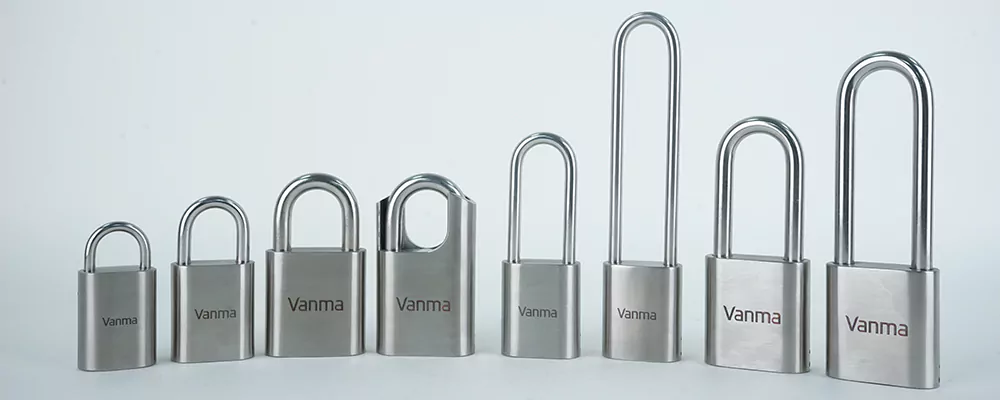
High security locks are locking products built to provide stronger resistance against forced entry, lock manipulation, unauthorized key duplication, and uncontrolled access. Depending on the application, they may use hardened materials, complex cylinders, protected keyways, restricted key systems, programmable credentials, or electronic access records. The goal is not to claim that the lock can never be defeated. No manufacturer can realistically guarantee that. The goal is to make an attack slower, more difficult, more visible, and less likely to succeed.
Think of a lock as one part of a complete security chain. A strong cylinder cannot compensate for a weak door frame. A thick deadbolt cannot stop someone from entering through an unsecured window. An advanced electronic lock cannot protect a site when everyone shares the same credential. High security door locks work best when the door, frame, hinges, strike plate, installation method, access rules, and surrounding security measures are all considered together.
High Security Locks Provide More Than Physical Strength
Physical strength is important, but it is only the starting point. A lock body should resist impact, pulling, twisting, and cutting. A door cylinder should resist picking and drilling. A padlock shackle should be difficult to reach with bolt cutters. However, a strong lock can still fail as a security system when key control is poor.
Imagine that ten employees have access to a warehouse. Over several years, employees leave, contractors visit, spare keys are made, and nobody keeps a reliable record. The lock may still be physically strong, but management no longer knows how many working keys exist. This is why commercial high security locks often include restricted key duplication or electronic authorization. The purpose is not only to stop an intruder at the door. It is also to reduce uncontrolled access by people who once had permission but no longer need it.
High Security Does Not Mean Impossible to Defeat
When comparing high security locks for commercial buildings or homes, avoid products that rely on unrealistic promises. A trustworthy supplier should explain what the lock is designed to resist, how it was tested, which materials it uses, and what installation conditions are required. Vague phrases such as “unbreakable” or “100% theft-proof” sound impressive, but they do not help you make an informed decision.
A better question is: how much time, skill, noise, and equipment would an attacker need? Most criminals want a fast and quiet entry. A lock that forces them to spend more time, use larger tools, create visible damage, or risk being noticed can provide meaningful protection even though no lock is technically indestructible.
Why Standard Locks May Not Be Enough
Standard locks are not automatically bad. They are designed for ordinary applications where the risk is limited and the protected asset has relatively low value. The problem begins when a basic lock is used in a high-risk location simply because it is inexpensive or easy to replace. A low-cost cylinder on a warehouse full of inventory creates a mismatch between the value being protected and the strength of the security measure.
This mismatch is common in industrial and commercial properties. Businesses often invest heavily in machinery, networking equipment, tools, stock, and control systems, yet the final access point may still rely on an easily copied mechanical key. If that key is lost or duplicated, the company may have no way to identify who entered or when the access occurred.
Traditional Locks Can Be Attacked in Several Ways
Attackers rarely care about defeating the most advanced part of a lock. They look for the easiest weakness. If the cylinder is difficult to pick, they may drill it. If drilling is difficult, they may pry the door. If the lock body is strong, they may attack the shackle, strike plate, mounting screws, hinges, or surrounding enclosure.
Common physical attacks include picking, bumping, drilling, pulling, twisting, cutting, hammering, and prying. Outdoor padlocks may also be frozen, corroded, or damaged over time, making them easier to bypass. High security locks should therefore be selected according to the likely attack methods at the actual installation site rather than according to one product feature.
Unauthorized Key Duplication Is a Quiet Security Risk
Forced entry usually leaves visible damage. Unauthorized key duplication may leave nothing. A person can enter, remove property, close the door, and walk away without creating a broken lock or alarm. For many businesses, this quiet form of access is more difficult to investigate than a direct physical attack.
Restricted key systems reduce this risk by controlling where and how duplicate keys are produced. Electronic high security locks can go further by using programmable smart keys, cards, PINs, mobile credentials, or biometric verification. When a credential is lost, administrators may be able to block it instead of replacing every lock it once opened.
Important Features of High Security Locks
The best high security locks for doors, cabinets, gates, or industrial equipment are not always the products with the longest feature lists. The right product is the one whose features match your risk, environment, user group, and management process. Before comparing prices, look closely at the following areas.
Pick-Resistant Lock Cylinders
Pick-resistant locks use internal designs that are more difficult to manipulate than a basic pin tumbler cylinder. They may contain additional pins, rotating elements, sidebars, false gates, complex keyways, or multiple locking mechanisms. These features increase the skill and time required to open the lock without the correct key.
However, pick resistance should never be treated as the only measure of security. A cylinder may resist picking well but still be vulnerable to drilling or pulling. When evaluating anti-pick high security door locks, ask whether the cylinder also includes reinforced protection against physical attacks and whether the surrounding hardware prevents easy removal.
Drill-Resistant and Pull-Resistant Construction
Drill-resistant high security locks often use hardened steel inserts, anti-drill pins, rotating plates, reinforced face protection, or internal components designed to interfere with drill bits. Pull-resistant designs may protect the cylinder from being gripped and extracted from the door.
These features matter most when the lock is exposed and easily reached with tools. A recessed cylinder or protected lock housing can reduce the space available for an attacker. In many real installations, the physical position of the lock provides as much protection as the materials inside it.
Restricted Key Control
Restricted key control is one of the most practical advantages of a high security mechanical lock system. Instead of allowing anyone to copy a key at a local store, duplication may require an authorization card, registered ownership information, or an approved locksmith. This makes it easier for property managers to maintain a more accurate record of issued keys.
Restricted keys are especially useful for offices, apartment buildings, warehouses, schools, hotels, and service companies with stable access requirements. They are less flexible when permissions change frequently or when hundreds of remote locations are involved. In those situations, electronic key management may offer better control.
Strong Lock Bodies, Bolts, and Shackles
For high security padlocks, the lock body and shackle must work together. A thick shackle provides limited value when it is fully exposed and easy to reach with a cutting tool. Closed-shackle or shrouded-shackle padlocks reduce the amount of metal available to attack, making cutting more difficult.
For high security door locks, look beyond the cylinder. The deadbolt, latch, strike plate, screws, and door frame should all support the expected level of protection. Long, properly installed screws that connect the strike plate to solid structural material can make a significant difference during a forced-entry attempt.
Weather and Corrosion Resistance
Outdoor high security locks must survive the environment as well as physical attacks. Rain, salt air, humidity, dust, freezing temperatures, heat, sand, and chemical exposure can gradually damage internal parts. A lock that becomes difficult to operate may encourage workers to leave a gate open, use an unauthorized lubricant, or replace it with a weaker product.
When choosing weather-resistant high security padlocks or cabinet locks, ask for clear information about the materials, sealing level, operating temperature, corrosion testing, and maintenance requirements. Stainless steel, protected alloys, sealed lock bodies, and suitable surface treatments can improve service life, but the right choice depends on the actual environment.
Audit Trails and Access Records
An ordinary mechanical lock cannot tell you who opened it last Tuesday. Electronic high security locks may record the user, lock location, access time, and authorization result. These records provide accountability and can help managers investigate unusual events, confirm maintenance tasks, or review contractor activity.
Audit trails are particularly valuable for remote infrastructure, equipment cabinets, medicine storage, server rooms, utility sites, and industrial control areas. When hundreds of access points are spread across a large region, managers cannot physically watch every location. Reliable access records help close that visibility gap.
Mechanical vs Electronic High Security Locks
Mechanical and electronic locks can both provide effective protection. The right choice depends on how many locks you manage, how many users need access, how often permissions change, whether access records are required, and whether the installation location has power or network access.
| Comparison Point | Mechanical High Security Locks | Electronic High Security Locks |
|---|---|---|
| Access method | Uses a physical key with a controlled or complex key profile. | Uses a smart key, card, PIN, biometric credential, or mobile authorization. |
| Key management | Lost keys may require rekeying or replacing affected locks. | Lost credentials can often be blocked or removed from the system. |
| Access records | Usually does not record who opened the lock. | May record the user, lock, time, and access result. |
| Permission changes | Changes may require collecting keys or replacing cylinders. | Permissions can often be updated by user, location, date, or time. |
| Best use | Suitable for smaller sites with stable users and limited access points. | Suitable for larger sites, remote assets, contractors, and frequently changing permissions. |
When Mechanical High Security Locks Make Sense
Mechanical high security locks are practical when a property has a limited number of doors and a small group of trusted users. They do not depend on batteries, software, network connections, or electronic administration. For a private office, residential entrance, small warehouse, or secure storage room, a well-designed mechanical cylinder with restricted key control may provide a reliable balance of security and simplicity.
The main limitation is what happens after a key is lost. If the missing key opens several doors, the organization may need to replace or rekey multiple cylinders. Managers must also keep accurate records of who holds each key, which can become difficult as the business grows.
When Electronic High Security Locks Are More Practical
Electronic high security locks are often a better fit for organizations with many users, many locations, or regularly changing access permissions. A technician may need access to five utility cabinets for one shift, while a supervisor needs broader access for several months. Electronic authorization allows these permissions to be assigned without distributing a separate mechanical key for every lock.
Electronic access control can also reduce the impact of a lost credential. Instead of changing every affected lock, the administrator may be able to place the lost key or card on a blacklist and issue a replacement. This can save time and reduce disruption, especially in large industrial or infrastructure projects.
How Passive Electronic High Security Locks Work
Passive electronic locks are designed without a permanent battery or power cable inside each lock. The authorized smart key provides power when it is inserted or connected. The lock checks the key's permission, and access is granted only when the authorization matches the lock.
This structure can be useful for telecom cabinets, electrical enclosures, railway equipment, outdoor gates, meter boxes, server racks, and other distributed assets. Installing power and network cables at every lock point may be expensive or impractical. A passive electronic locking system provides electronic authorization while keeping the lock side relatively simple.
One authorized smart key can open multiple locks according to assigned permissions. Access may be controlled by user, area, role, date, or time. Depending on the system, opening records can be uploaded for review, and a lost key can be blocked. This gives managers stronger control than a traditional master key system, particularly when contractors and mobile service teams are involved.
Where High Security Locks Are Commonly Used
High security locks are used wherever unauthorized entry could cause serious financial, operational, safety, or legal consequences. The best lock for a residential front door will not necessarily work for a railway cabinet, data center, outdoor gate, or electrical control box. Each application requires a different balance of physical strength, access control, weather resistance, and management convenience.
High Security Locks for Homes and Apartments
Homeowners commonly use high security locks on front doors, apartment entrances, garages, gates, storage rooms, and external buildings. A quality deadbolt or high security cylinder can improve resistance to picking, drilling, and unauthorized key copying. However, homeowners should inspect the entire entrance before replacing only the lock.
A strong cylinder installed on a damaged frame will not provide the expected protection. The door material, strike plate, screws, hinges, nearby windows, lighting, alarms, and daily locking habits all affect security. For most homes, layered protection is more effective than relying on one expensive lock.
High Security Locks for Commercial Buildings
Commercial high security locks are commonly installed on office entrances, stockrooms, server rooms, loading areas, document storage, cash-handling rooms, maintenance rooms, and external gates. These locations often have more users than a private home, which makes key control a major concern.
Employees, cleaners, delivery teams, contractors, and building managers may all require different access levels. Giving every person the same master key is convenient at first but creates long-term risk. A controlled key system or programmable electronic lock allows access to be divided according to actual job responsibilities.
Industrial High Security Locking Systems
Industrial facilities may need high security locks for machinery controls, hazardous material storage, maintenance cabinets, warehouses, outdoor yards, electrical panels, production areas, and equipment rooms. These locks must often withstand heavy use, dust, moisture, vibration, grease, temperature changes, and rough handling.
Ease of use is important in industrial environments. Workers may wear gloves, carry tools, or operate in poor lighting. A complicated lock that slows every task may encourage unsafe shortcuts. The most effective industrial high security lock system balances protection with practical daily operation.
High Security Locks for Critical Infrastructure
Telecom networks, power stations, railway systems, water facilities, traffic control equipment, fuel sites, and street infrastructure often include thousands of access points spread across a wide area. Managing traditional keys across these locations can become a serious operational problem.
Technicians may visit several sites in one day, while external contractors may need temporary access to only one location. Electronic or passive electronic high security locks allow permissions to be assigned more precisely. Instead of carrying a large ring of keys, an authorized technician may use one smart key for multiple approved locks.
How to Choose the Right High Security Locks
Start with the risk, not the catalogue. The correct high security lock for your property depends on what you are protecting, where the lock will be installed, who needs access, and what could happen if access is misused. A product that works well on an indoor office door may fail quickly on a coastal gate or dusty industrial cabinet.
Identify What You Are Protecting
Begin by listing the assets behind the lock. Are you protecting household property, warehouse inventory, customer data, medicine, electrical controls, fuel, tools, machinery, or critical communication equipment? The higher the value and potential consequence, the stronger the locking system should be.
Consider downtime as well as replacement cost. A stolen tool may be easy to replace, but unauthorized access to a control cabinet could stop production for hours. In that case, the cost of the incident may be much higher than the value of anything physically removed.
Define the Most Likely Threats
Different sites face different threats. A city apartment may be concerned about lock picking, drilling, or forced entry. A remote utility cabinet may face vandalism, corrosion, unauthorized contractor access, and key loss. A warehouse may be more concerned about internal theft and uncontrolled key duplication.
Once the likely threats are clear, product comparison becomes easier. You can focus on relevant features such as anti-drill protection, shrouded shackles, restricted keys, weather sealing, audit trails, or time-limited authorization instead of paying for functions you do not need.
Count the Locks and Users
A building with four secure doors can often be managed with a restricted mechanical key system. A company with 500 cabinets and 100 technicians has a very different problem. The number of locks, users, locations, and permission changes should influence whether you choose mechanical, electronic, or passive electronic high security locks.
Also consider future growth. A simple system may work today but become difficult to manage when new buildings, employees, or contractors are added. Choosing a scalable access control structure early can prevent expensive replacement later.
Check the Installation Environment
Indoor and outdoor locks require different designs. For outdoor high security locks, review water resistance, dust protection, corrosion resistance, temperature range, and material compatibility. Coastal areas may require stronger salt-spray resistance, while cold regions need locks that remain operable in freezing conditions.
The physical installation space also matters. Check cylinder dimensions, door thickness, bolt position, shackle clearance, handing direction, mounting holes, and surrounding obstacles. A strong lock that does not fit correctly may be installed poorly, reducing its actual security.
Review Key and Credential Management
Ask how new users will receive access, how permissions will be changed, and what happens when someone leaves the company. If a key is lost, do you need to replace the lock, or can the credential be blocked? Can temporary access be issued to contractors? Can different users be limited to different locations?
These questions reveal the long-term operating cost of the system. A low-priced lock may become expensive when keys are lost, cylinders must be replaced, or managers spend hours tracking who can enter each area.
Ask for Clear Product Evidence
Reliable suppliers should provide specific information rather than broad marketing claims. Ask about lock materials, cylinder structure, key control, environmental protection, operating temperature, physical testing, software functions, warranty coverage, and installation requirements.
For larger projects, request product samples, technical drawings, test reports, installation instructions, and a clear explanation of the access workflow. A small trial installation can reveal practical issues before the system is deployed across hundreds of doors or cabinets.
Installation Is Part of High Security
Even the best high security locks can perform poorly when installed incorrectly. Loose screws, poor alignment, weak mounting plates, damaged frames, exposed bolts, and excessive gaps can create easy attack points. In some cases, the lock is strong but the surrounding material breaks first.
Door locks should be installed with suitable strike plates and structural fasteners. Padlocks should be paired with strong hasps that protect the shackle and do not expose removable screws. Cabinet locks should fit tightly without leaving space for prying tools. Electronic systems should also be configured correctly so that administrators, users, and backup procedures are clearly defined.
For commercial, industrial, or critical infrastructure projects, professional installation is usually a sensible investment. A trained installer can identify weaknesses that are easy to miss when the product is viewed separately from the door, gate, cabinet, or enclosure.
Common Mistakes When Buying High Security Locks
- Choosing a lock only because it looks large or heavy, without checking the cylinder, key system, shackle exposure, or installation hardware.
- Focusing only on lock picking while ignoring drilling, cutting, prying, pulling, and attacks against the surrounding door or frame.
- Buying outdoor locks without confirming resistance to rain, dust, corrosion, salt, heat, or freezing temperatures.
- Giving too many people the same master key because it seems easier than creating controlled access levels.
- Assuming that every electronic lock is automatically secure without reviewing credential management, audit records, administrator access, and emergency procedures.
- Ignoring the long-term cost of lost keys, employee turnover, lock replacement, software administration, and maintenance.
- Installing a strong lock on a weak door, damaged frame, thin cabinet panel, or poorly secured hasp.
How to Maintain High Security Locks
High security locks need regular inspection if they are expected to perform reliably for years. Check for loose mounting hardware, corrosion, dirt, damaged seals, misalignment, worn keys, bent shackles, and unusual resistance during operation. Small problems should be corrected before they cause a complete failure.
Use only cleaning and lubrication products recommended by the manufacturer. General-purpose oil can attract dust or damage internal components in some lock designs. Outdoor locks may need more frequent maintenance because they are exposed to moisture, pollution, sand, and temperature changes.
Electronic high security locking systems also require administrative maintenance. Review user permissions, remove former employees, block lost credentials, check administrator accounts, inspect access records, and confirm that temporary permissions have expired. Physical maintenance keeps the lock operating, while administrative maintenance keeps the access rules accurate.
Are High Security Locks Worth the Cost?
High security locks usually cost more than standard locks, but the purchase price is only one part of the calculation. You should also consider the value of the protected assets, the cost of downtime, the consequences of unauthorized access, and the expense of replacing lost keys or rekeying multiple doors.
For a low-risk internal cupboard, an advanced lock may not be necessary. For a server room, warehouse entrance, medicine cabinet, telecom enclosure, or electrical control area, the potential loss may justify a stronger system. Security spending should follow risk rather than treating every door in the same way.
Electronic and passive electronic high security locks may also reduce management costs. One authorized credential can replace a large collection of mechanical keys, while access permissions can be adjusted without physically replacing every lock. For organizations with many locations, this operational benefit can be just as important as the physical security improvement.
Conclusion
High security locks protect property most effectively when they are treated as part of a complete access control system. Strong materials and advanced cylinders matter, but so do key control, user permissions, installation quality, environmental suitability, access records, and routine maintenance. A lock that performs well in a laboratory may still fail in daily use when it is installed on the wrong door or managed with poor access procedures.
Before choosing high security locks for your home, business, warehouse, industrial site, or remote equipment, start with practical questions. What are you protecting? Who needs access? Which attacks are most likely? What happens when a key is lost? How will permissions change over time? Clear answers will help you select a system that provides real protection instead of simply looking secure.
Frequently Asked Questions About High Security Locks
What makes a lock a high security lock?
A high security lock normally combines stronger physical construction with features such as pick resistance, drill resistance, protected key duplication, reinforced bolts or shackles, and controlled access. Electronic models may also provide programmable permissions, lost-credential blocking, and access records. A high security label alone is not enough. The lock should have clear specifications and be suitable for the actual installation.
Are high security locks impossible to pick?
No lock is completely impossible to pick or defeat. High security locks are designed to make manipulation more difficult and time-consuming by using complex cylinders, protected keyways, sidebars, additional pins, or other internal mechanisms. Their purpose is to increase the effort and skill required while reducing the chance of a quick, quiet attack.
Are high security locks worth it for a home?
High security locks can be worthwhile for front doors, apartment entrances, garages, gates, and rooms containing valuable property. However, the door frame, strike plate, hinges, windows, lighting, and alarm system should also be reviewed. A premium lock cannot provide full protection when the surrounding entrance is weak.
Can high security keys be copied?
Some high security mechanical keys can be copied only by authorized locksmiths or approved service providers. The owner may need to present an authorization card or registered account information. Electronic smart keys are managed differently because their permissions are programmed rather than created through ordinary key cutting.
Are electronic high security locks safer than mechanical locks?
Electronic locks are not automatically safer, but they can provide better access management. They may allow permissions to be changed by user, area, date, or time, while lost credentials can often be blocked. Mechanical high security locks may be more practical for smaller sites with stable access requirements and only a few trusted users.
What is a passive electronic high security lock?
A passive electronic lock does not require a permanent battery or power cable inside the lock. An authorized smart key supplies power during use and communicates with the lock to verify permission. This type of system is commonly considered for remote cabinets, gates, utility equipment, telecom sites, and other locations where wiring or regular battery replacement would be difficult.
What happens when a high security key is lost?
The response depends on the system. With a mechanical key, affected locks may need to be rekeyed or replaced if there is a serious risk of unauthorized use. With an electronic system, the lost credential can often be blocked or removed from the authorization list, allowing a replacement to be issued without changing every lock.
Which high security locks are best for outdoor use?
Outdoor high security locks should resist water, dust, corrosion, temperature changes, and the expected physical attacks. Look for suitable materials, protected shackles or cylinders, sealed internal components, and clear environmental specifications. Coastal, industrial, and freezing environments may require different materials and protection levels.
Do high security locks need regular maintenance?
Yes. Locks should be inspected for corrosion, loose hardware, damaged seals, misalignment, worn keys, and unusual operating resistance. Electronic systems also require permission reviews, credential management, and administrator checks. Following the manufacturer's maintenance instructions helps preserve both security and reliability.
How do I choose high security locks for a business?
Start by identifying the assets, users, access points, environmental conditions, and most likely threats. A small office may only need restricted mechanical keys, while a warehouse network or industrial company may benefit from electronic authorization and audit records. Compare complete system costs, including installation, lost-key handling, maintenance, and future expansion.

