
Display Cabinet Lock: Secure Your Valuables in Style
Introduction
Display cabinet locks might not be the first thing you think of when setting up your retail space, home, or showroom—but they’re a quiet powerhouse when it comes to security and presentation. These locks play a crucial role in deterring theft, protecting collectibles, and maintaining a professional display. Whether you’re displaying high-value items or personal memorabilia, securing them properly is essential not only for safety but also for peace of mind.
What is a Display Cabinet Lock?
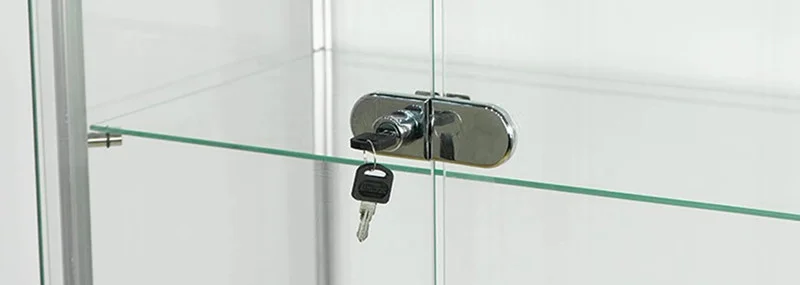
A display cabinet lock is a specially designed locking mechanism that secures items inside cabinets made of glass, wood, or metal. These locks are built to blend with the aesthetics of the display while offering varying levels of security—from simple deterrents to advanced smart locking systems. They're commonly used in retail stores, museums, exhibitions, and even residential spaces where high-value items are showcased.
Why You Should Care About It
You wouldn't leave your front door unlocked, so why leave your valuable displays unprotected? A display cabinet lock isn't just about keeping things closed—it's about preventing unauthorized access, reducing shrinkage, and increasing customer confidence. Moreover, a well-locked cabinet signals professionalism and shows that you take your security seriously, which can be a game-changer in retail or collector environments.
Types of Display Cabinet Locks
Cam Locks
Cam locks are the most traditional and widely used type of cabinet lock. Simple in design, they consist of a metal plate (cam) that rotates with the key to secure or release the lock. These are perfect for metal or wood cabinets where simplicity and reliability are key. They're also very affordable and easy to install, making them a favorite in many retail and office setups.
Plunger Locks
Plunger locks offer quick-locking mechanisms where you simply push to lock the cabinet and use a key to unlock. They are excellent for environments with frequent access needs, like jewelry stores or electronics counters. Their quick action reduces the time needed to secure items, adding convenience without compromising security.
Ratchet Locks
Specifically designed for glass sliding doors, ratchet locks grip the edges of the glass panels tightly and can be adjusted to fit different thicknesses. These are ideal for showcases where drilling is not an option, offering a strong grip without damaging the surface. They’re particularly popular in museums and mobile display units where aesthetics matter.
Magnetic Locks
Magnetic locks are the go-to for a clean, hardware-free look. Installed inside the cabinet, they remain invisible to viewers. Opening the cabinet requires a special magnetic key, making them perfect for minimalist or high-end displays. While not ideal for high-theft areas, they provide adequate deterrence for low- to medium-risk environments.
RFID Locks
RFID locks bring technology to the forefront of security. These keyless systems use tags or cards to grant access and can even log entry data. They're perfect for high-security retail environments or when you want detailed audit trails. Though pricier, the added functionality justifies the investment for businesses that value security and data tracking.
Choosing the Right Lock
Material Compatibility
When selecting a display cabinet lock, it's essential to choose one that matches the material of your cabinet. For example, metal cabinets require stronger locks like cam locks or ratchet locks, while glass cabinets are often best suited to magnetic or plunger locks that don’t require drilling. Ensuring the lock is compatible with your cabinet’s material ensures a secure fit and maximum security.
Security Level
Not all locks are created equal. Depending on the value of the items you're securing, you may need a lock that provides a higher level of protection. While a basic cam lock may work for light-duty use, a jewelry store might need something more sophisticated, like an RFID lock, which offers keyless entry and better tracking features. The level of security should match the type of display and the perceived value of its contents.
Visibility and Design
Sometimes, the lock should be visible as a deterrent. A bulky lock on the outside of the cabinet can warn potential thieves to stay away. However, in settings like high-end galleries or luxury retail, a hidden lock like a magnetic or RFID option is more suitable, offering security without disrupting the aesthetic appeal of the display.
Ease of Installation
Some locks are DIY-friendly and require only basic tools like a screwdriver, while others might need professional installation. If you’re looking for a quick solution, magnetic locks or plunger locks can be installed in minutes without tools. On the other hand, if you're going for advanced security, locks like RFID or cam locks might need drilling and precise placement. Choose a lock that fits both your skill level and time constraints.
Keyed vs. Keyless Options
Keyed locks provide traditional security and control, but they come with the risk of lost or stolen keys. Keyless locks like RFID and Bluetooth options add convenience by eliminating the need for physical keys. However, these come at a higher cost. When deciding between the two, consider the ease of use and the type of environment in which the lock will be used.
Top Materials Used in Cabinet Locks
Stainless Steel
Stainless steel is a popular choice for cabinet locks due to its corrosion resistance and strength. Whether you're securing valuable antiques or sensitive documents, stainless steel locks provide durability and long-lasting protection. They can withstand tampering and are ideal for outdoor environments or places with high humidity.
Zinc Alloy
Zinc alloy locks are commonly found in commercial and retail settings. They are strong enough to resist break-ins and provide a decent level of security. These locks are a cost-effective solution for businesses that need to secure high-volume items without going over budget. However, they may not be as durable as stainless steel for long-term use.
Plastic for Light Use
Plastic locks are ideal for light-duty applications where security isn’t as critical. They are commonly used for display cases in non-high-risk environments such as home decor or small retail displays. While not tamper-resistant, plastic locks provide a low-cost and aesthetically pleasing solution for basic cabinet security.
How to Install a Display Cabinet Lock
Tools You’ll Need
Before starting the installation, gather your tools. Most display cabinet locks require simple tools like a screwdriver, a drill (for locks that need mounting), screws (usually provided with the lock), and a measuring tape. If you’re installing a more complex system like RFID, you may also need access to a power source or mobile app for setup.
Step-by-Step Process
Installing a display cabinet lock generally follows a straightforward process:
- Measure the location where you want to install the lock and mark the drill points.
- Drill holes if necessary (be careful with glass and metal). Some locks, like magnetic locks, may not require drilling.
- Install the locking mechanism, securing it in place using screws or adhesive as needed.
- Test the lock to ensure it operates smoothly before closing the cabinet.
Common Mistakes to Avoid
While installing a display cabinet lock might seem easy, there are some common pitfalls to watch out for:
- Misaligning the lock or mounting it unevenly can cause the lock to malfunction.
- Drilling too deeply into the cabinet can cause cracks or permanent damage, especially with glass.
- Forgetting to test the lock before securing it, which can lead to a non-functional lock after installation.
Display Cabinet Locks for Different Environments
Retail Stores
In retail environments, display cabinet locks are essential for protecting high-value merchandise, especially in busy stores. These locks provide peace of mind by preventing unauthorized access and minimizing the risk of theft. A well-secured cabinet also helps maintain the integrity of your display, ensuring that products stay safe even when unattended.
Museums and Exhibits
Museums and exhibit spaces often feature valuable and irreplaceable items. Security is paramount here, and display cabinet locks offer a discreet yet effective way to protect artifacts, art pieces, or historical objects. Many museums use advanced locking systems like RFID to prevent tampering while maintaining a clean and unobtrusive aesthetic.
Home Use
For homeowners, display cabinet locks provide a simple way to protect personal valuables, collectibles, or family heirlooms. Whether you’re showcasing fine china, rare books, or jewelry, securing your display case helps ensure that your prized possessions are safe from accidents or curious hands.
Offices and Corporate Showrooms
Corporate showrooms often feature high-end products, prototypes, or promotional materials that need to be securely displayed. Display cabinet locks are an excellent way to ensure that these items are protected from theft or unauthorized access while maintaining a professional appearance that doesn’t distract from the products themselves.
